 By admin
Renovating a workplace can transform an outdated office into a more functional environment, but construction rarely mixes well with desks, printers, filing cabinets, monitors, and other business equipment. Dust, contractors, restricted access, and constantly changing work areas can make it difficult to keep valuable office assets where they normally belong.
Moving selected equipment out of the renovation zone gives a Las Vegas business more control over the project. Instead of pushing everything into another corner and creating a new obstacle, companies can use organized business storage to keep equipment protected until the workspace is ready.
Decide What Has to Leave
Start by separating office assets into three groups: equipment needed during the renovation, items that can temporarily disappear from daily operations, and property that should be retired or replaced.
This prevents a business from paying to move equipment that was already scheduled for disposal.
Nevada Movers can assist with the physical relocation of office assets, while the company’s team determines which equipment needs to remain available throughout the renovation.
Create a Simple Asset List
Record major equipment before it leaves the workplace. Include computers, monitors, printers, scanners, desks, chairs, shelving, conference-room equipment, and other valuable items.
For technology, note serial numbers or internal asset IDs where relevant. Photographs can also document the condition of equipment before storage.
Separate Technology From General Office Property
Not every item should be prepared in exactly the same way.
Computers, monitors, networking hardware, printers, and other electronics need careful packing and protection. Furniture can require different coverings and handling methods.
Disconnect electronic equipment according to your company’s procedures and keep cables, adapters, and accessories clearly associated with the correct device.
Label Everything Before It Leaves
A box marked “office equipment” may be nearly useless several weeks later.
Use labels based on department, workstation, equipment type, or destination. If several employees will eventually receive their equipment back, individual identification can make reinstallation much easier.
Protect Furniture During the Renovation Period
Office furniture may not be as fragile as electronics, but it can still suffer scratches, stains, dents, or finish damage.
Clean surfaces before covering them and remove loose shelves or components where appropriate. Keep hardware in labeled bags and secure drawers or doors during transportation.
For businesses arranging temporary business storage, https://nevadamoverslv.com/services/business-storage/ offers information about moving and storage support that can fit into a workplace transition.
Choose Storage Around the Renovation Schedule
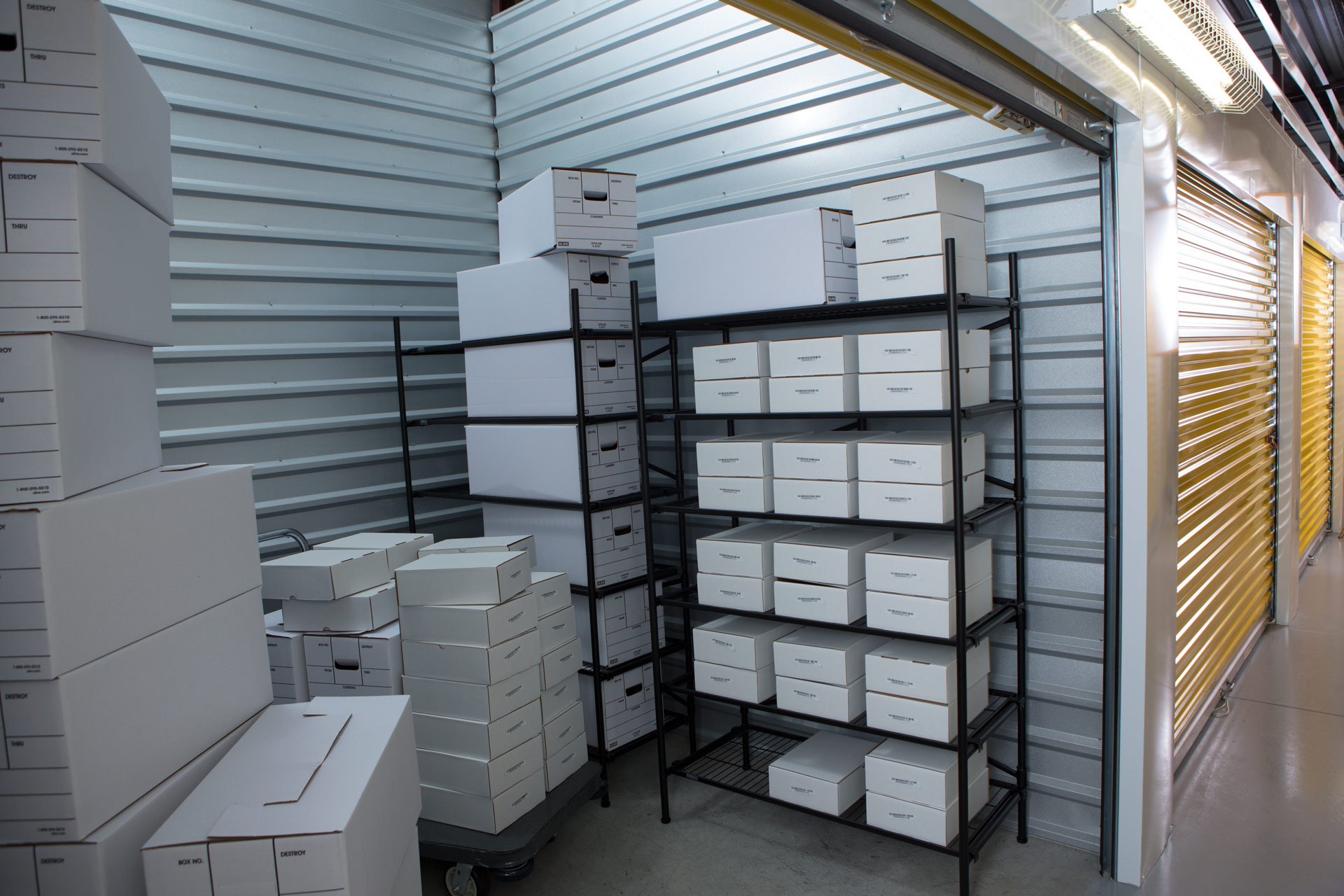
The length and sequence of the construction project should influence how equipment is stored.
If the renovation will affect the entire office for several months, keeping most nonessential equipment off-site may make sense. If work is being completed one section at a time, the company may need selected assets returned in stages.
Keep Frequently Needed Items Accessible
Do not bury equipment that employees may suddenly need.
Create an inventory showing where major assets are located and arrange the storage layout so priority items can be retrieved without disturbing everything else.
Business storage becomes considerably more useful when retrieval is considered before the first piece of equipment is placed inside.
Think About Dust and Construction Activity
Renovation work creates conditions that are difficult for office equipment.
Dust can reach sensitive electronics and mechanical components, while paint, adhesives, debris, and construction traffic can create additional risks. Moving equipment away from the active work zone can eliminate many of these unnecessary exposures.
Nevada Movers can handle the transportation stage, allowing contractors and employees to work in a clearer environment without having to maneuver around office furniture.
Coordinate the Move With Contractors
Timing matters.
Equipment should ideally leave before construction begins in a particular area rather than being moved repeatedly as contractors progress through the building.
Ask the project manager for the expected renovation sequence. Then coordinate equipment removal and eventual return around those milestones.
Plan the Return Journey
Before storage ends, confirm which areas of the office are actually ready.
Furniture and equipment should not be returned simply because the renovation date has arrived on the calendar. Flooring, electrical connections, walls, network infrastructure, and other work should be sufficiently complete for the equipment’s intended use.
Rebuild the Office in a Logical Order
When equipment comes back, start with major furniture and infrastructure before filling desks with smaller items.
Use your inventory records to return equipment to the correct departments and workstations. Check electronics individually before employees resume normal use.
If the renovation introduced a new layout, verify measurements before returning large desks, cabinets, or conference furniture.
A workplace renovation is much easier to manage when office equipment is treated as part of the project plan rather than an inconvenience to be pushed aside. With appropriate preparation, organized business storage, and transportation coordinated by Nevada Movers, a Las Vegas company can clear active construction areas while keeping valuable assets accounted for and ready to return when the renovated workplace is prepared.