 By admin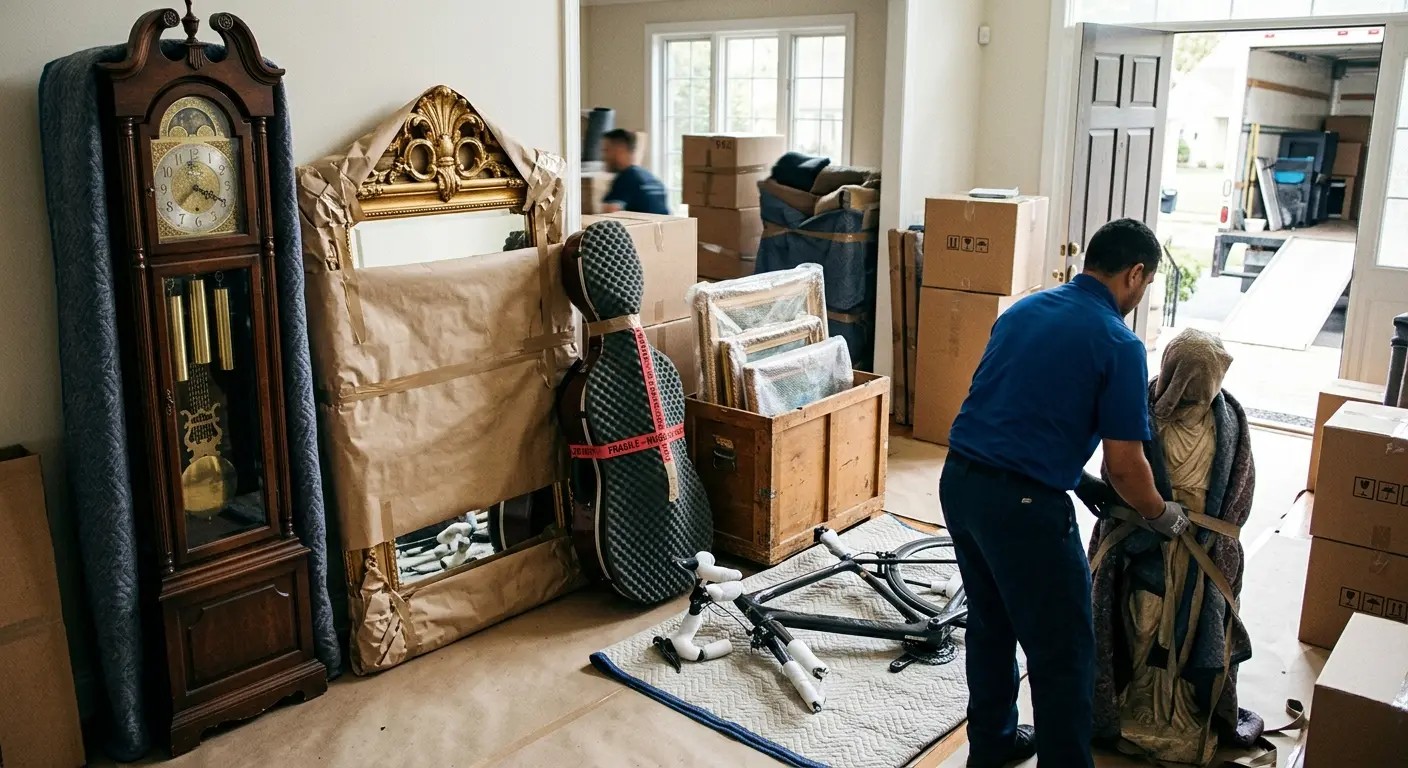
Veneer can give antique furniture an extraordinary appearance, with carefully arranged wood patterns, rich tones, and decorative details that are difficult to reproduce. At the same time, a veneered surface can be considerably more sensitive to careless handling than a solid wooden construction.
During a relocation, scratches are not the only concern. Edges can lift, thin veneer can crack under pressure, and changes in temperature or moisture may affect older furniture. Preparing these pieces properly before transportation is therefore an important part of Antique Moving.
Understand What Makes Veneer Vulnerable
Veneer consists of a relatively thin layer of decorative material applied over another substrate. On antique furniture, that surface may have aged considerably, developed minor imperfections, or been repaired during its lifetime.
This means an apparently sturdy cabinet or table may still contain areas that require particularly gentle treatment.
Inspect Before Anything Is Wrapped
Examine the top, sides, drawer fronts, corners, edges, legs, and decorative sections. Look for lifting veneer, bubbles, cracks, chipped edges, previous repairs, or areas where the surface feels unstable.
Photograph existing imperfections before the move. These images provide a useful condition record and can help distinguish old marks from anything that might occur during transportation.
Avoid Aggressive Cleaning Before the Move
Antique furniture should not necessarily receive a deep cleaning immediately before transportation.
Unfamiliar solvents, polishes, moisture, or abrasive products can affect an aged finish or interact with previous restoration work. If the piece requires cleaning, use an appropriate method based on its known finish and care requirements.
A gentle inspection and removal of loose dust may be preferable to experimenting with a new product on moving day.
Protect the Veneer From Direct Contact
One of the most important goals is preventing the finished surface from rubbing against other objects.
Soft protective materials can create a barrier between the antique and surrounding furniture or equipment. Corners and projecting sections may need additional cushioning.
Pay Attention to Edges
Veneer edges can be particularly susceptible to impact. A small collision with a doorway or another object can cause an already fragile section to chip or lift.
Protection should therefore extend beyond the broad visible surfaces to include corners, edges, handles, and decorative projections.
Price Movers handles antique and specialty furniture with customized approaches for valuable pieces, including specialized packing and handling. Its moving services can be explored at https://pricemovers.com/.
Do Not Put Adhesive Directly on the Finish
Tape may appear convenient when securing protective materials, but placing adhesive directly against an antique finish can create unnecessary risk.
Residue can be difficult to remove, and some finishes may react poorly to prolonged contact.
Protective coverings should instead be secured in a way that keeps them stable without attaching adhesive directly to vulnerable surfaces.
Empty Drawers and Cabinets Carefully
Drawers, shelves, and cabinets should be assessed before transportation.
Remove loose contents and pack them separately when appropriate. Excess weight inside drawers can place additional stress on the furniture during lifting and movement.
If a drawer has an old or delicate mechanism, do not force it open or attempt repairs simply because the move is approaching.

Keep Hardware Organized
If handles, shelves, decorative components, or other parts need to be removed, keep their hardware together in clearly identified containers.
Photograph the original arrangement before removal. This can make reassembly easier and reduce the chance of confusing components from different pieces.
Plan the Route Before Moving the Antique
Protection does not begin with wrapping. It begins with the route.
Measure doorways, hallways, staircases, elevators, and tight corners. Consider the dimensions of the fully prepared piece and identify points where it may need to be turned or repositioned.
Remove obstacles from the route before the moving crew arrives.
A carefully protected antique can still be damaged if it has to be forced through a doorway that does not provide sufficient clearance.
Consider Temperature and Moisture Changes
Older furniture can be sensitive to environmental changes. A sudden transition between different temperature or humidity conditions may be undesirable for certain antique pieces.
Avoid leaving delicate furniture unnecessarily exposed to extreme conditions before or after transportation. If the relocation involves storage or a significant environmental change, mention this when discussing the moving plan.
Tell the Movers About Previous Repairs
An antique may have been restored several times without its current appearance revealing the full history.
If you know that veneer has been repaired, a section has been replaced, or a particular component is loose, communicate this before handling begins.
Professional Antique Moving is more effective when the crew knows where the furniture requires extra attention rather than having to discover vulnerabilities during loading.
Prepare the Destination in Advance
The new room should be ready before the antique arrives.
Clear the route, remove unnecessary furniture, and decide where the piece will ultimately stand. Avoid placing a delicate cabinet temporarily in an area where other household items will continue to be moved around it.
Allow enough space for controlled positioning rather than trying to force the furniture into its final location after the room has become crowded with boxes.
Treat the Surface as Part of the Furniture’s Structure
Veneer should not be viewed as merely a decorative layer that can be protected at the last moment. Its condition contributes directly to the character and value of antique furniture.
Careful inspection, suitable protective materials, controlled handling, sensible route planning, and clear communication can reduce unnecessary risks. When the piece is treated according to its age, construction, and condition, Antique Moving becomes a deliberate process rather than a routine furniture transfer.