 By admin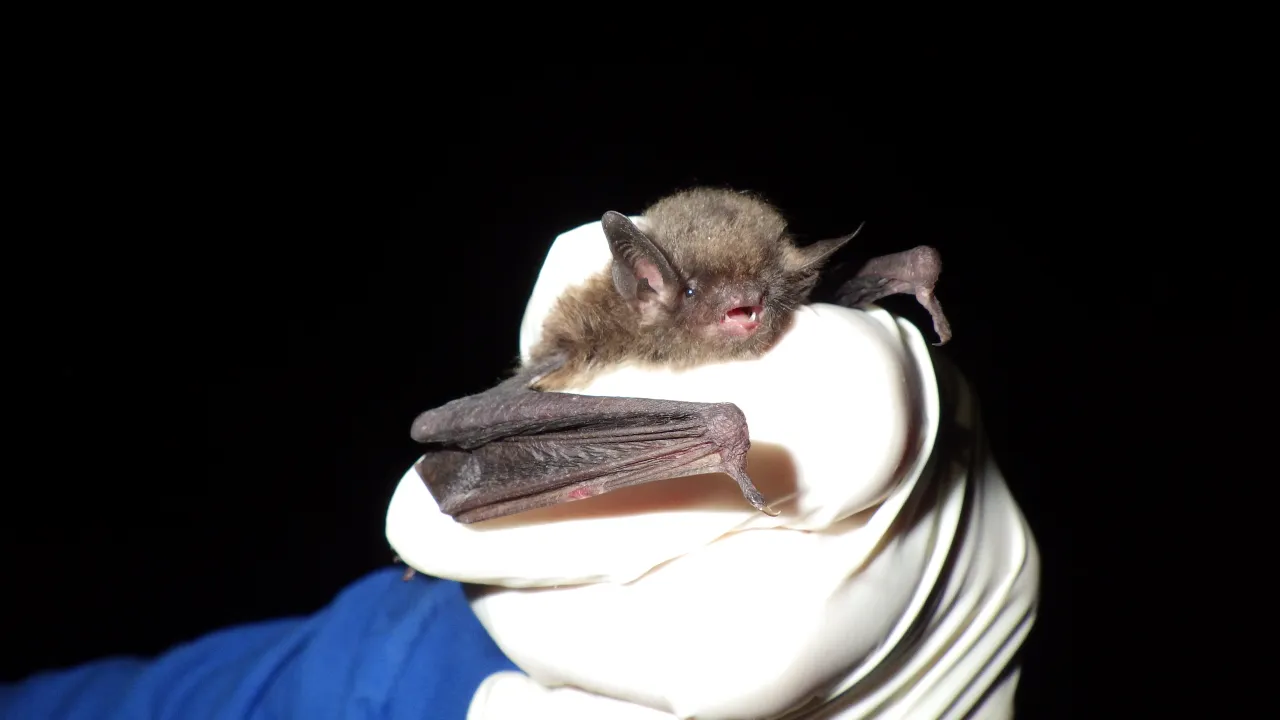
GRAHAM COUNTY, N.C. (WSPA) – For the first time in over a decade researchers have found a federally endangered species of bat roosting in western North Carolina.
Read more Could the SEC really break away? Commish says conversations are real but that’s not what they want
According to the North Carolina Wildlife Resources Commission, earlier this year researching searching the Nantahala National Forest in Graham County for survivor colonies of a deadly disease which primarily effects bats, researchers captured five female Indiana Bats.
The capture was the first time Indiana bats have been found in North Carolina since 2015.
“It was a surprise for sure and was so fulfilling after a spending a decade on surveys that didn’t result in Indiana bat captures. We always hope we’re going to catch this species, and we put in the work to catch them, but they’re just so rare nowadays” said Katherine Etchison, a bat biologist at NCWRC.
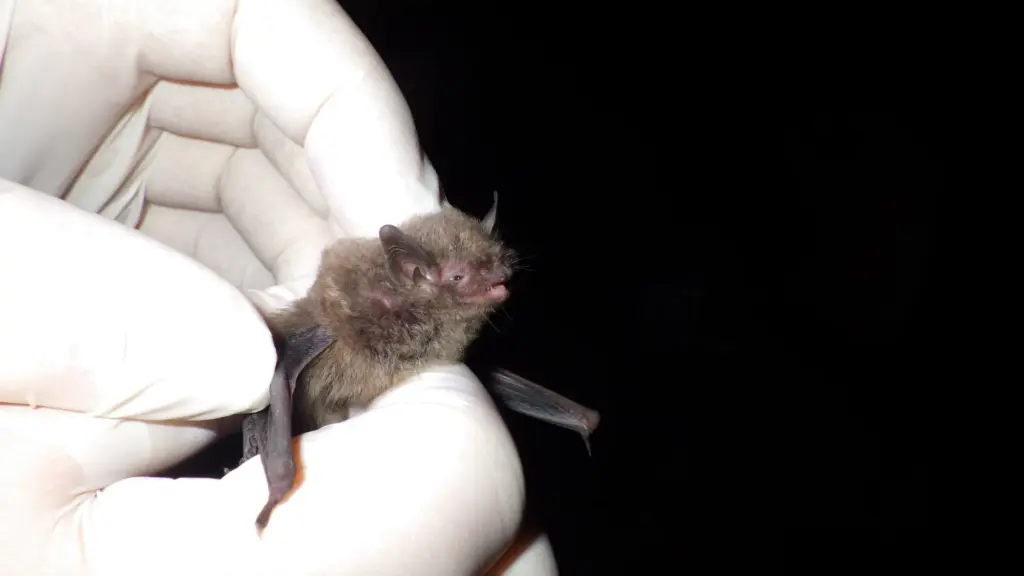
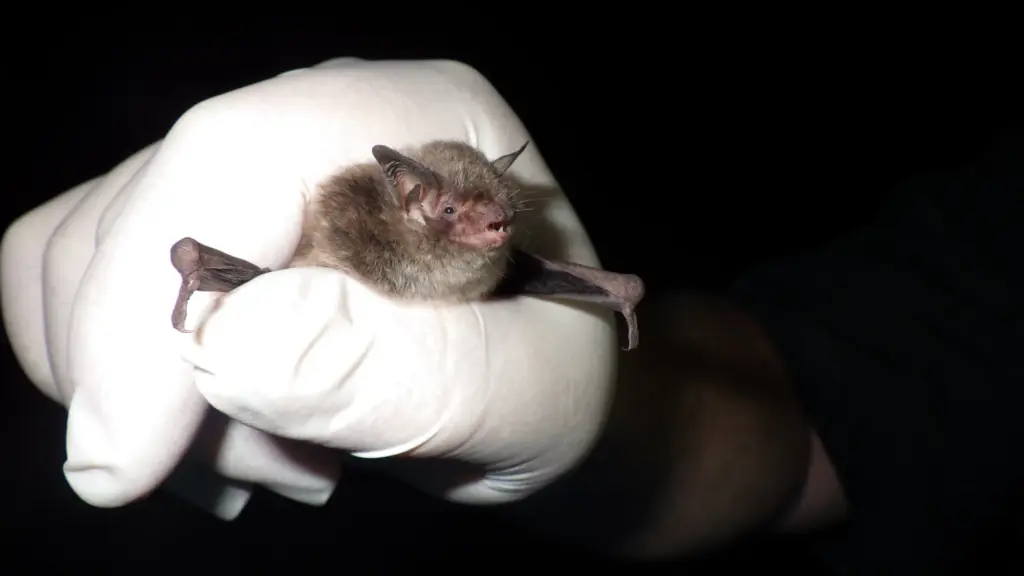
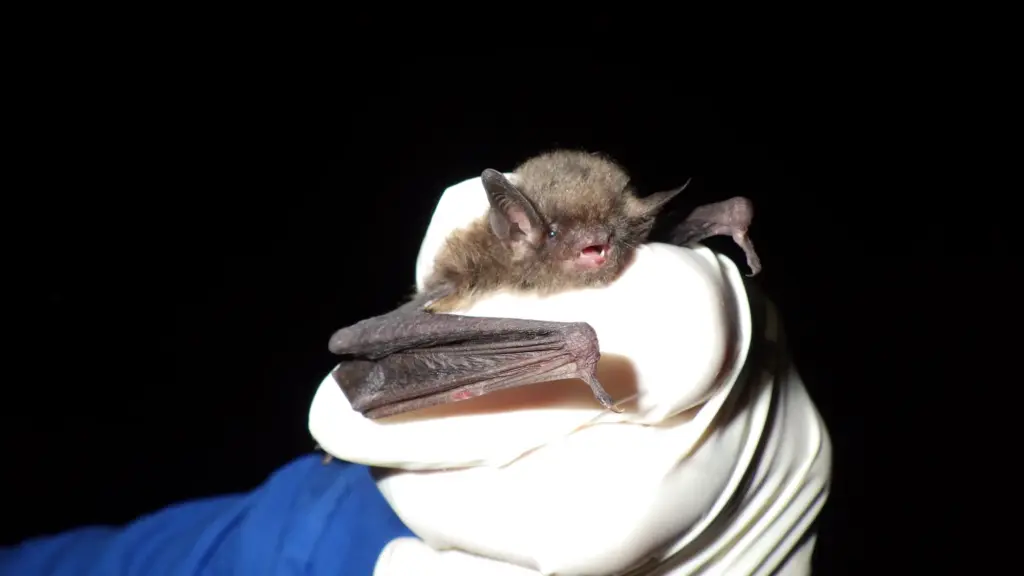
Despite their name, Indiana bats are known to colonize in more than a dozen eastern states. They primarily reside in forested areas but are known to hibernate in caves and mines.
Researchers said the bats are beneficial to the local ecosystem, eating billions of insects every year and helping spread pollen and seeds.
Indiana bats have been listed as endangered under the Endangers Species Act since 1973.
Read more Michigan AD Warde Manuel agrees to buyout, will step down at end of 2026
As of 2019, a little more than half a million bats were estimated to be living in 16 states. The current population has declined by half compared to when the species was listed as endangered.
Part of the decline is driven by White-Nose Syndrome, a deadly fungal disease which manifests in bat colonies during hibernation seasons, when bats reduce their metabolic rate and body temperature to save energy. The disease ultimately forces hibernating bats to starve to death while hibernating.
According to the National Park Service, WNS has caused populations of three bat species to decline by over 90% since 2018.
Looking for more positive news in your day? Check out The Bright Side ☀️
Researchers with NCWRC said they tracked two of the bats located in Graham County to a roost in a dead tree in the Joyce Kilmer-Slickrock Wilderness Area. Etchinson said it is difficult to determine exactly how many Indiana bats may be surviving in North Carolina.
Researchers are planning for future monitoring efforts of the colony.
“This was a big find for us,” said Etchison. “So, we’re thinking ahead to the steps we can take to learn more about this Indiana bat colony.”
Read more Chatham County Sheriff Mike Roberson retires after more than a decade of service