 By admin
RALEIGH, N.C. (WNCN) — Victims of drunk driving-related crashes are asking North Carolina lawmakers to impose stricter measures against convicted drunk drivers.
Read more What’s next for North Hills? Developer unveils new expansion details for Raleigh district
Advocates said Wednesday that a law proposed in North Carolina’s General Assembly is more about prevention than punishment.
Ignition interlocking devices on vehicles work like breathalyzers to detect alcohol on a person’s breath, stopping a car from turning on if alcohol is detected.
Currently, state law only requires the devices for first-time DWI offenders whose blood alcohol content tests at 0.15 or higher and repeat offenders. House Bill 1199 would require them for all offenders.
The bill would also require ignition interlock systems for all people who refuse a chemical test.
Stephanie Ronan, a Nash County mother, is the survivor of a drunk driving crash that nearly took her life.

“I had a career I loved and a normal life with my children. Then in one moment, everything changed. The driver who hit me was driving on a suspended license just three weeks before my crash yet he was still able to get behind the wheel again,” Ronan said on Wednesday.
She experienced an internal decapitation that put her in a level one trauma center for two months. After 11 surgeries and 85 implants, she still lives with chronic pain and physical limitations.
Read more All-American RB Ahmad Hardy discharged after shooting, heads back to Missouri to begin recovery
“I cannot change what happened to me back in 2018, but I can use my voice to prevent other families from experiencing the same pain,” Ronan said.
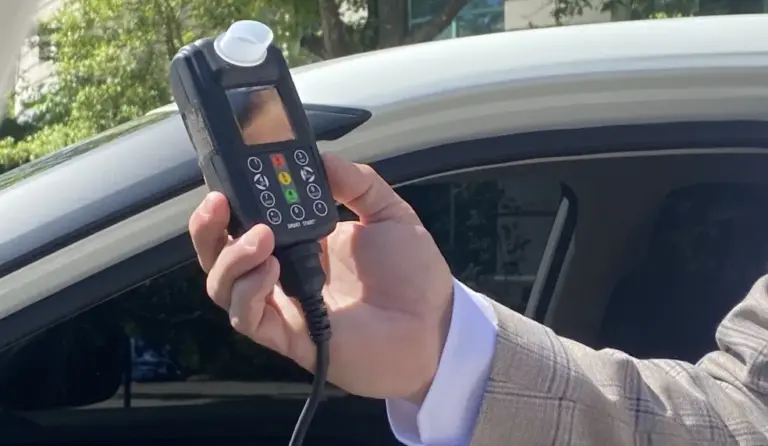
Ronan is asking lawmakers to support HB119 to prevent repeat offenders from getting on the road.
Mothers Against Drunk Driving reports the devices prevented more than 3,000 drunk driving attempts in 2024 in North Carolina.
“If ignition interlocking devices would have been required, by law and enforced, my crash would likely not have happened. This is not about punishment, it’s about prevention,” Ronan said.
The devices cost users between $100 and $150 to install. Once they are installed, they would be in place for one year, costing offenders $3 a day.
This proposal is part of the larger Seat Belt Act sponsored by Representative Mike Schietzelt (R) of Wake County.
Other sections of that bill include requiring intelligent speed assistance devices that regulate vehicle speed for people convicted of excessive speeding
Read more USA Curling hires Canada great Gushue as high-performance director to boost Olympic gold-medal hopes