 By admin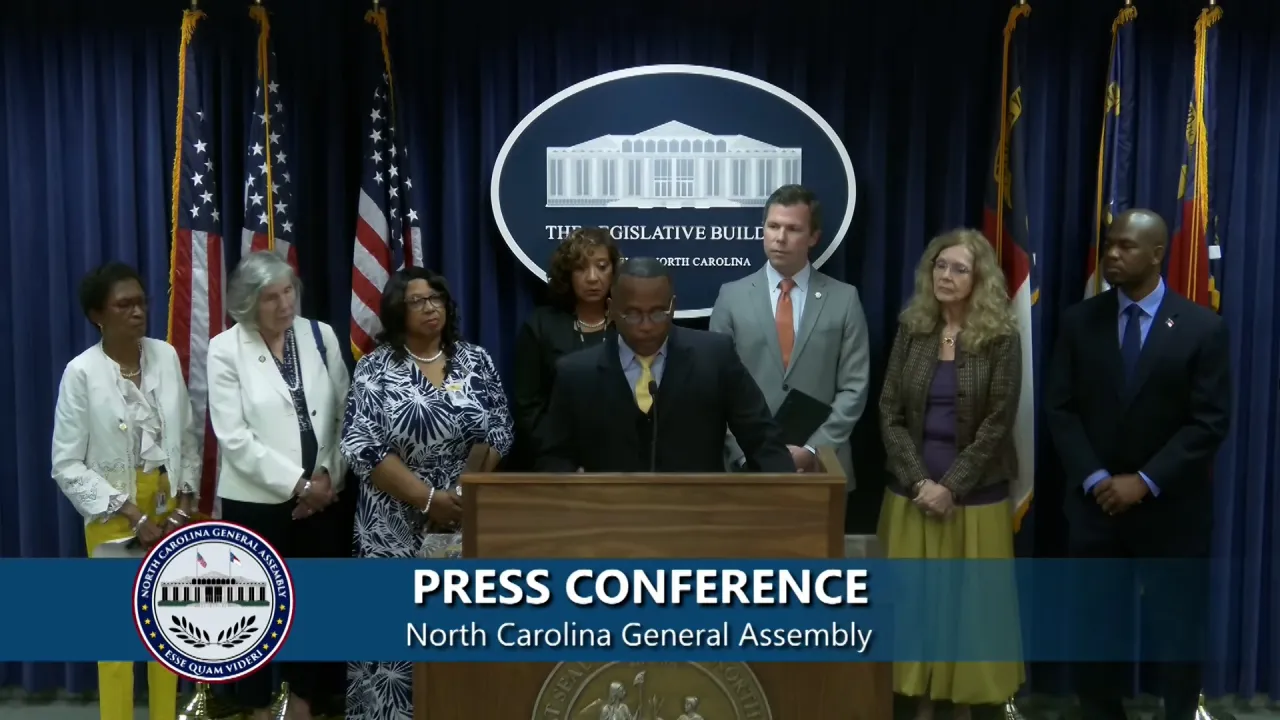
RALEIGH, N.C. (WNCN) — As North Carolina lawmakers in the General Assembly search for ways to address the intersection of mental illness and public safety, House Democrats are proposing more than $1.2 billion in new spending on mental health treatment, psychiatric hospitals, courts, and corrections.
Read more How the chaotic final 15 minutes of Game 2 of the Stanley Cup Final unfolded
The proposal comes as the General Assembly continues debating how to fix a mental health system that lawmakers on both sides say has left too many people cycling through jails, courts and hospitals.
“Detention centers and prisons have become de facto mental health institutions, yet without the necessary resources,” said State Rep. Renee Price (D-Caswell).
Democrats unveiled the package Tuesday, arguing the state cannot solve the crisis without significant investments in treatment and public safety infrastructure.
The Justice and Mental Health Act, which would invest more than $800 million in behavioral health treatment, state psychiatric hospitals and other mental health services. The bill would expand treatment capacity, increase staffing and beds at psychiatric hospitals and help reduce bottlenecks that leave people waiting for care.
“Mental illness is a real and present crisis, a crisis on the rise as circumstances in this modern world cause hardship and anxiety. It is a crisis that requires accountability, investment and urgency from the North Carolina General Assembly,” said Price.
A companion bill, the Public Safety Reinvestment Act, would invest more than $400 million in courts, corrections and juvenile justice programs.
“Law enforcement is being tasked with responding to behavioral crises. Courts are challenged with determining the disposition of persons with mental illness,” said Price.
Read more The superfans known as the ‘Spurs Nuns’ aiming to bring divine intervention to the NBA Finals
The Democratic proposals were unveiled a day before the House of Representatives voted 100-10 to approve legislation expanding and strengthening the state’s involuntary commitment system.
That bill focuses largely on changing how the system operates, including expanding outpatient commitment and directing state agencies to develop plans involving telehealth, mobile crisis response and other tools aimed at improving care for people in crisis.
“It’s taken us 20 years to get the broken mental health system that we have. We’re not going to solve it in six months,” said State Rep. Timothy Reeder (R-Pitt). “This is a step forward that will be really focused on people who are criminally involved.”
Democrats say that step is important, but argue lasting change will require funding mental health treatment, hospitals, courts and corrections.
“These aren’t radical proposals. They’re practical investments in the basic machinery of public safety,” said House Democratic Leader Robert Reives (D-Chatham).
The involuntary commitment bill now heads to the Senate. The Democratic proposals have not yet received a committee hearing.