 By admin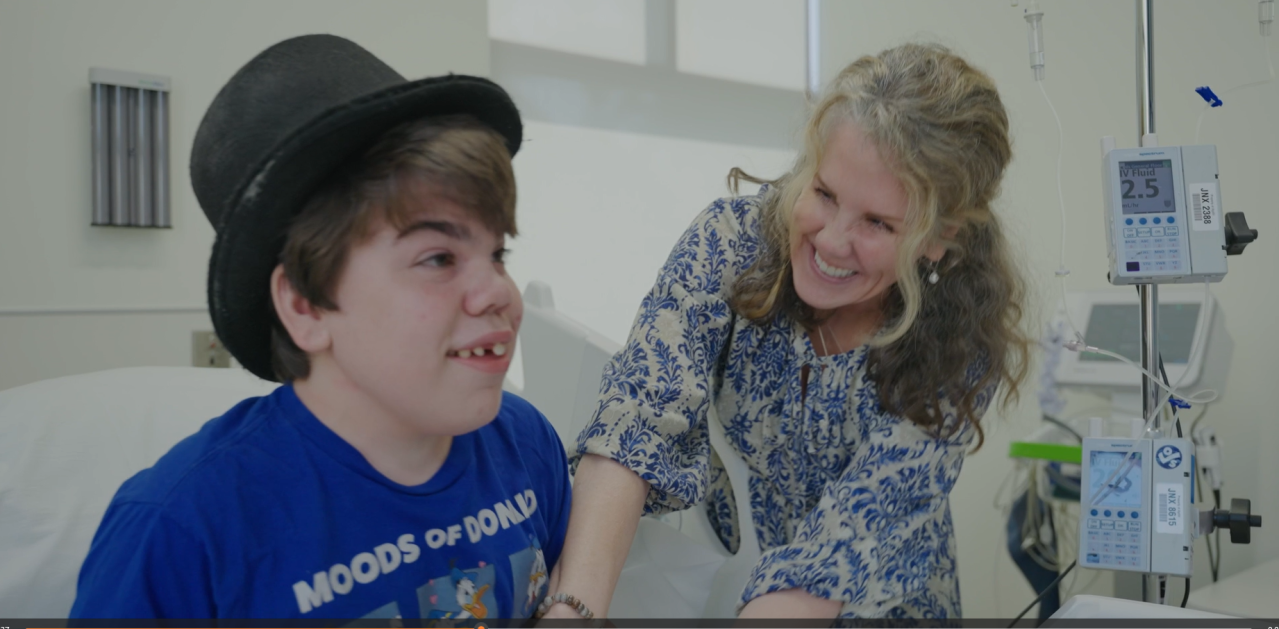
CARRBORO, N.C. (WNCN) — A Carrboro teenager with a rare genetic disorder recently received a newly-approved drug to treat the condition.
Read more Twenty years later, Canes bring Stanley Cup back to a transformed Triangle
In early March, CBS 17 shared the story of Cole Mausolf, who has Hunter syndrome. The genetic disorder, also known as MPS II, is a progressive disease affecting the body and brain. It can cause children to lose their skills and abilities, often leading to death in teenage years.
At the time, Cole’s doctor, Joseph Muenzer, a pediatric geneticist with UNC Health and the head of the Muenzer MPS Research and Treatment Center, was waiting to find out if the FDA would approve a drug he’d been studying. The enzyme-replacement therapy crosses the blood-brain barrier to treat the disease in both the body and brain, and Dr. Muenzer said it showed promising results in clinical trials.
Several weeks later, the FDA approved that drug, which is now called Avlayah.
Recently, Cole received his first dose of the drug. It’s a day that Cole’s mom, Kim Stephens once feared would never come.
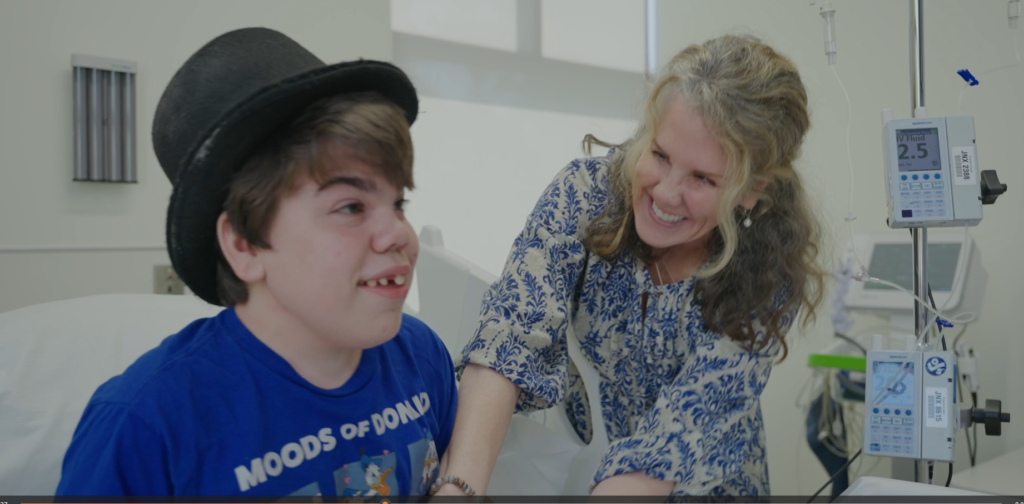
“I never thought we would get here with Cole being almost 16 years old,” she said. “You keep hoping, but I always knew the time was ticking in the background.”
While Cole has already lost the ability to speak and focus, Stephens is hopeful that the drug will keep him stable.
Stephens, who is the executive director of the Muenzer Center, stood with Dr. Muenzer to push the button that would give Cole his first infusion of the therapy, designed to replace an enzyme that children with Hunter Syndrome are missing.
“It was just amazing,” Stephens said about that moment. “It was this sort of weight that was coming off my shoulders because we had been fighting for this so long.”
After two doses, Stephens says she’s seeing a difference in Cole’s ability to focus. Instead of watching a show for 10-15 seconds, he’s been paying attention for much longer, including watching an episode of “Curious George” for 11 minutes.
Read more Military backgrounds released for 3 Fort Bragg soldiers killed in Wake County crash
“Not even two minutes, three minutes — 11 minutes,” she said.
Stephens thinks Cole could also be using moments in his favorite shows to try to communicate. When she left her hair curly instead of wearing it straight like she usually does, she said Cole came to her with one of his favorite episodes of “Dora the Explorer” .
“The giant on “Dora” goes to the barber and gets her hair cut,” Stephens said. “He came over, sat down beside me, and went to the part at the barber shop. The giant says, ‘Oh, I love my curly hair.’ He kept bringing it back to that one. Was he trying to communicate with me through this?”
“Every parent wants to be able to communicate with their child,” she continued. “It’s the biggest blessing.”
While Stephens can’t say for sure whether these changes are a direct result of the drug, she feels strongly that they are.
MORE FROM CBS 17
ORANGE COUNTY NEWS
Carrboro teen with rare genetic disorder gets new drug
Request to seal motions denied in Faith Hedgepeth case
Power restored after outage hits 1,500+ in Orange Co.
“I probably can’t say for sure,” she said. “In my heart it is. I think it is. It’s never happened before. Cole hasn’t talked in seven years. He hasn’t done that before. He hasn’t had that attention span.”
While it’s not yet clear how the drug will affect Cole in the long term, Stephens is grateful for every second they have together.
“I know that all this time with him going forward is a gift,” she said. “I don’t want to miss a bit of it.”
Read more Fire heavily damages townhomes in northwest Raleigh