 By admin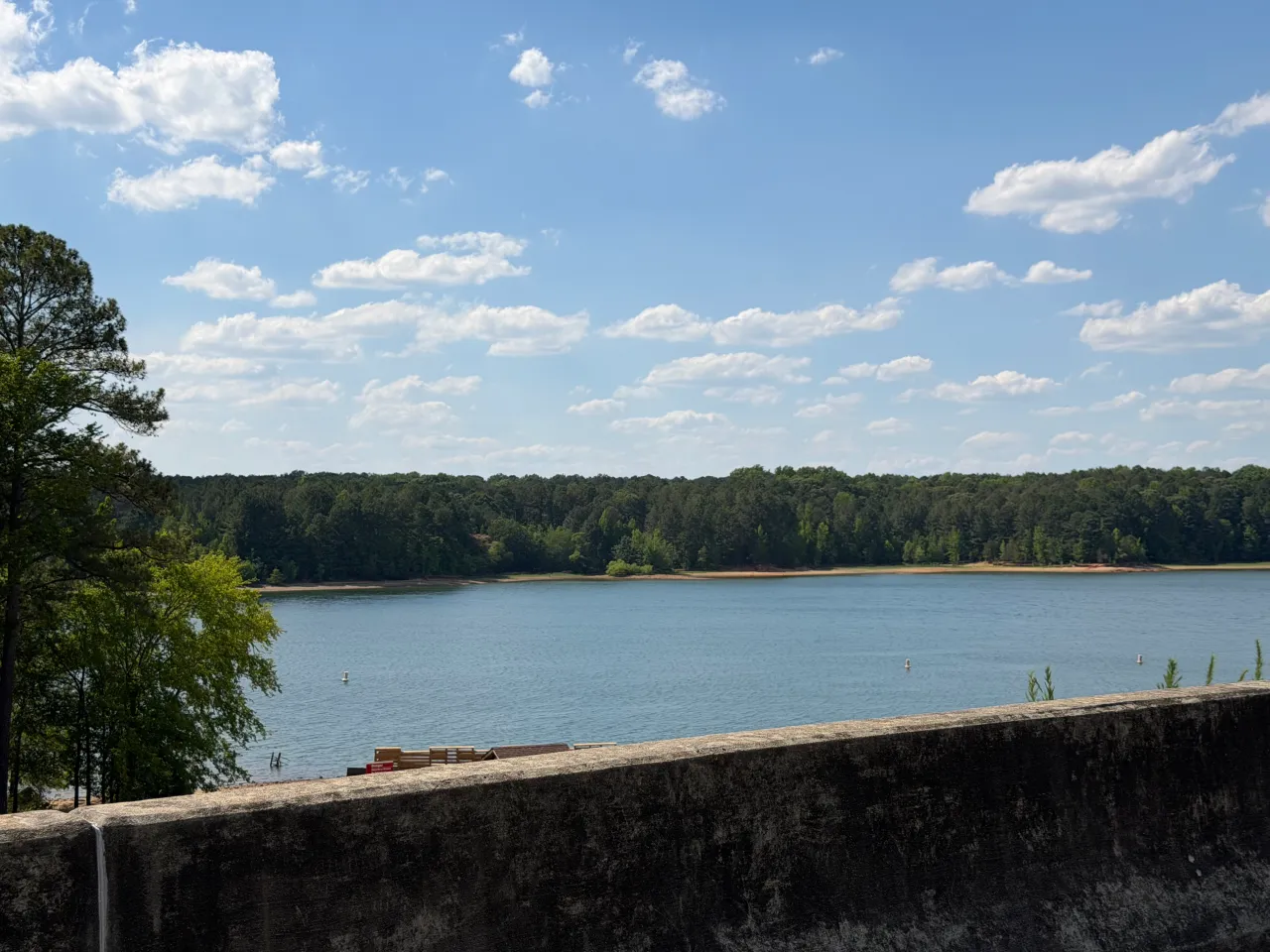
RALEIGH, N.C. (WNCN) — As hot and dry conditions persist across central North Carolina, water levels on Falls Lake continue to decline, now down nearly five-and-a-half feet according to the Army Corps of Engineers.
Read more Harry Kane ties England’s record for World Cup goals in 4-2 win over Croatia
“Just hoping for rain. The lake level is dropping around half a foot a week,” said Francis Ferrell, Chief Ranger for the Army Corps of Engineers at Falls Lake. The declining levels are happening as exceptional drought conditions continue across parts of the region.
“We’re kind of going into this summer at a deficit, so, we’re just holding onto every little bit that we can,” Ferrell explained.
Part of the problem, besides a lack of rain, is dry conditions upstream from the lake, including at Lake Michie in Bahama, a main source of water for the City of Durham.
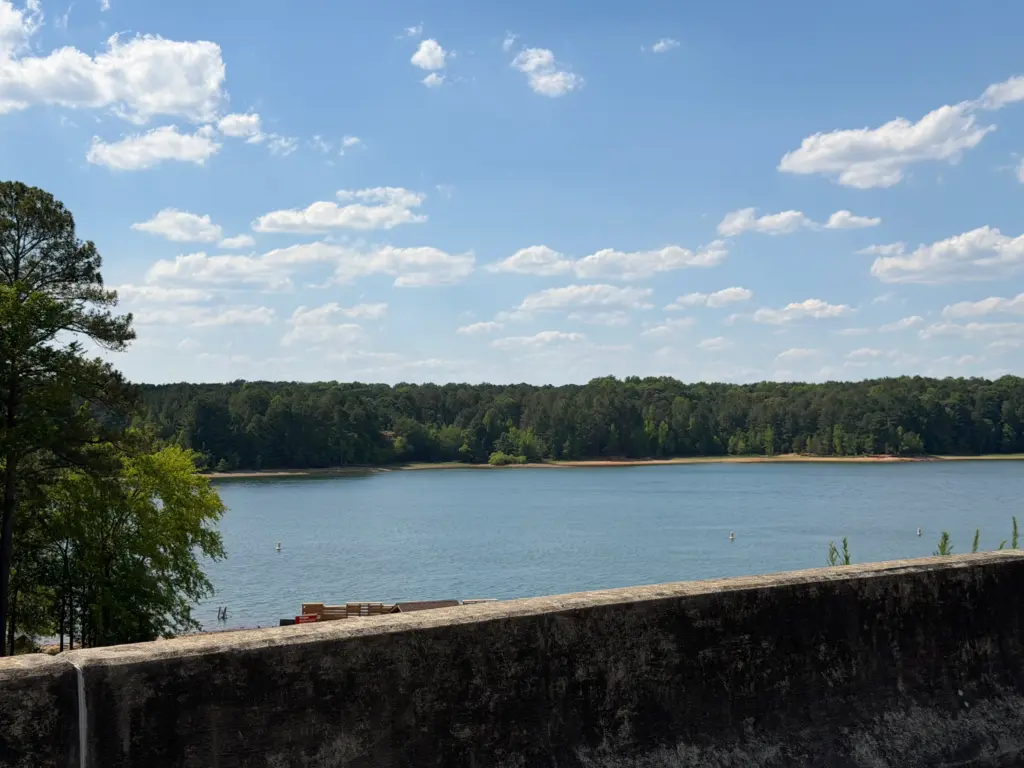
“There’s three reservoirs above us that are all spillway reservoirs, so those all essentially have to fill before we start getting runoff,” said Ferrell.
The City of Raleigh’s supply on the lake is now around 66%, down from 69% last week.
Ed Buchan, Assistant Director of Raleigh Water, says the supply is now dropping around 3% weekly when the lake isn’t getting rain.
Read more Celebrate the 2026 Stanley Cup win with the players | Triangle After Dark Ep. 4
“We’re really seeing even on non-irrigation days very high demand, which certainly implies that there’s cases where people are still irrigating,” he said.
Stage One restrictions, limiting homeowners to watering their lawns once a week, have been in place since April.
As water levels continue to decline, the city is stepping up its enforcement efforts, including sending crews out earlier in the morning to check for potential violations.
MORE FROM CBS 17
WAKE COUNTY NEWS
Man allegedly threatened Trump at Raleigh police station: U.S. Attorney
Levels continue to drop, cutting into Raleigh’s water supply
Celebrate the 2026 Stanley Cup win with the players | Triangle After Dark Ep. 4
“We’re just getting more eyes out there in the field, and hopefully people will take this to heart,” said Buchan.
To enter Stage Two restrictions, which completely bar the use of sprinklers, the city’s supply would have to drop to 45%. The city says the addition of 5.6 billion gallons of water to the lake in 2019 is playing a major role during this drought.
“That’s bought us a lot of time, and if you think about where we would be without that additional volume, certainly we would be much more concerned,” Buchan said.
Read more USGA and R&A want deeper study of distance beyond new golf ball test in 2030