 By admin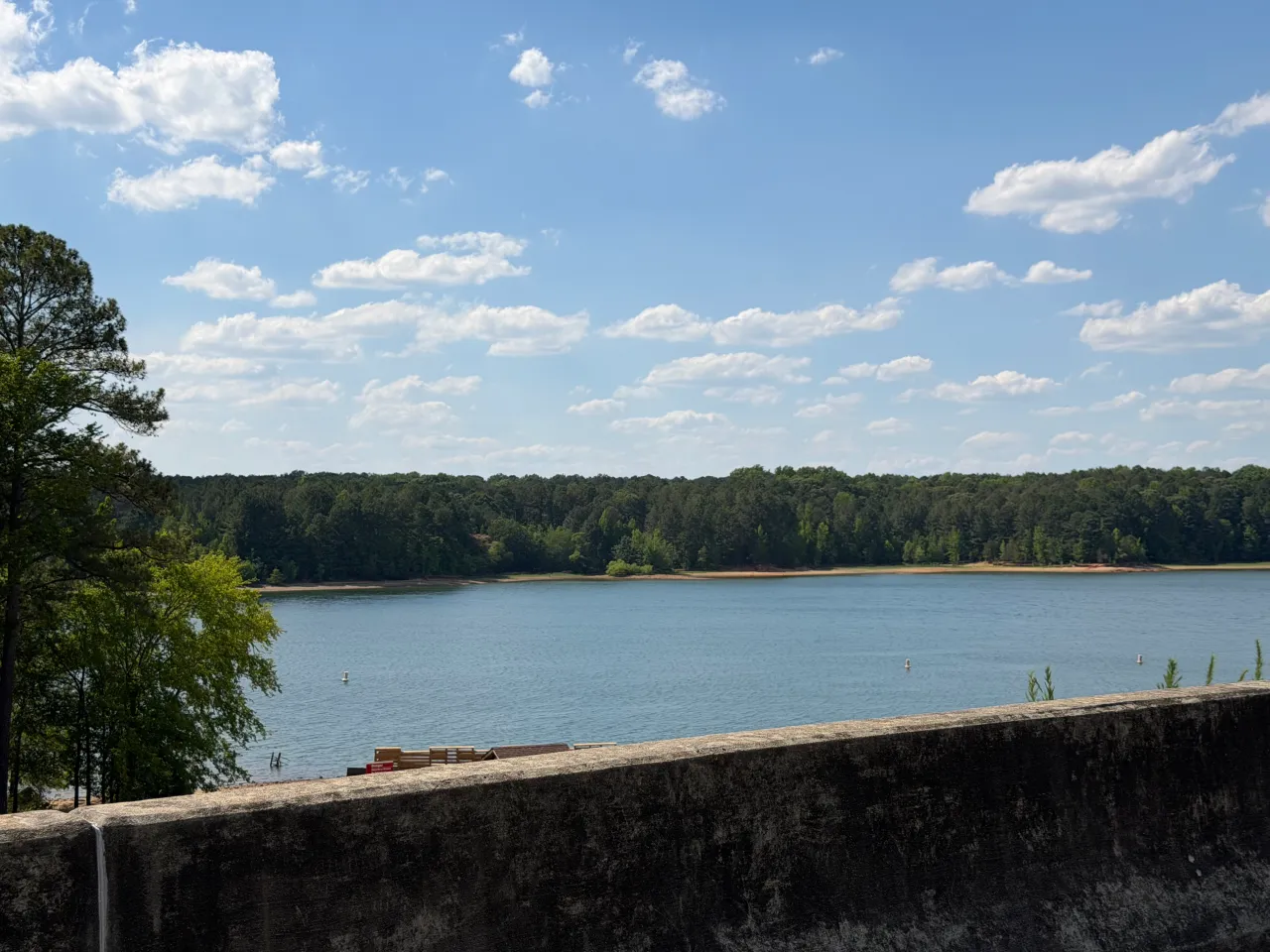
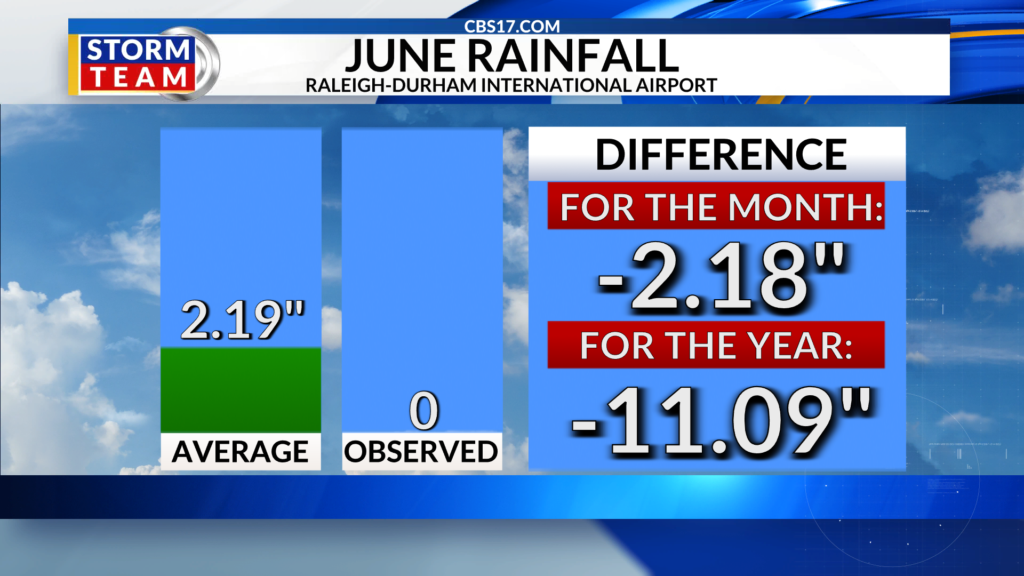
RALEIGH, N.C. (WNCN) — Drought conditions continued to worsen across North Carolina this week, with exceptional drought expanding across parts of the Triangle and nearly 40% of the state now classified under extreme drought conditions.
Read more Residents return to war-ravaged southern Lebanon with hope and sorrow after the US-Iran deal
The latest U.S. Drought Monitor report, released Thursday, shows 7% of North Carolina is now experiencing D4 exceptional drought, the highest level on the monitor’s five-category scale. That’s up from 3.01% one week ago.
Meanwhile, 39.72% of the state is now classified as being in D3 extreme drought, an increase from 33.81% last week.
The deterioration was especially noticeable across central North Carolina, where several counties saw significant increases in areas classified as exceptional drought.
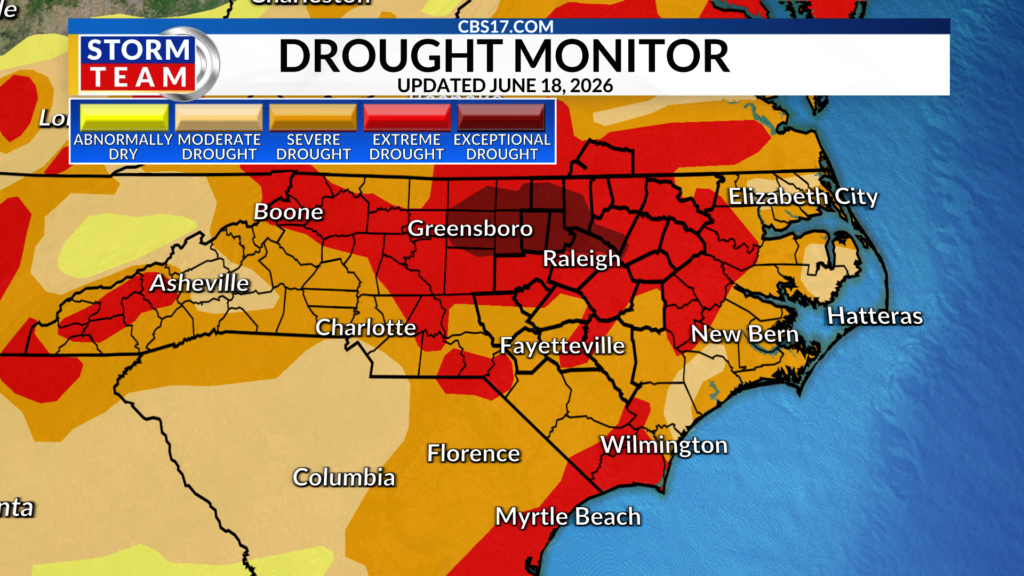
Wake County experienced one of the largest changes in the region. The latest report shows 29.71% of the county is now under D4 exceptional drought, up from 17.36% last week.
Exceptional drought conditions also expanded in Orange County, rising from 87.27% to 97.3%. Durham County remained largely unchanged, with 95.78% of the county still classified as exceptional drought.
Several neighboring counties reported drastic spikes as well.
In Person County, 78.6% of the county is now experiencing exceptional drought, up from 16.95% last week. Franklin County saw D4 conditions climb from less than 1% of the county to 38.07%, while Granville County surged from 48.21% to 60.79%.
Nash County also entered the exceptional drought category for the first time this year, with 4.03% of the county now classified as D4 drought.
Read more Springsteen, Bono and Stevie Wonder will help the Obamas open their presidential museum
The latest report also showed worsening conditions farther south. For the first time this year, portions of Cumberland County joined the D3 extreme drought category, with 39.69% of the county now classified under the designation.
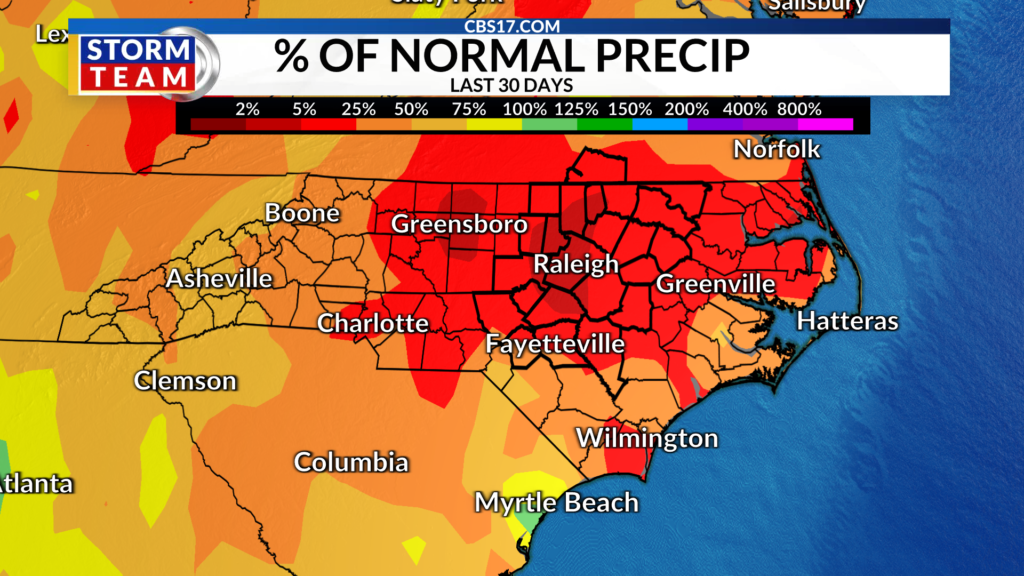
The U.S. Drought Monitor ranks drought intensity on a scale ranging from D0, or abnormally dry conditions, to D4 exceptional drought. D4 is the most severe classification and is associated with widespread crop and pasture losses, water shortages and significant environmental impacts.
The worsening drought comes as water levels continue to decline at Falls Lake, Raleigh’s primary water supply reservoir.
Officials said Wednesday that overall lake levels are now nearly 5.5 feet below normal and continue to fall by roughly half a foot per week as dry conditions persist.
The City of Raleigh’s available water supply at Falls Lake has dropped to about 66%, down from 69% a week ago. Raleigh Water officials have said the supply is declining by about 3% per week during periods without significant rainfall.
Stage 1 water restrictions, which limit outdoor irrigation to once per week, have been in effect since April. City officials have recently increased enforcement efforts as demand remains elevated despite the restrictions.
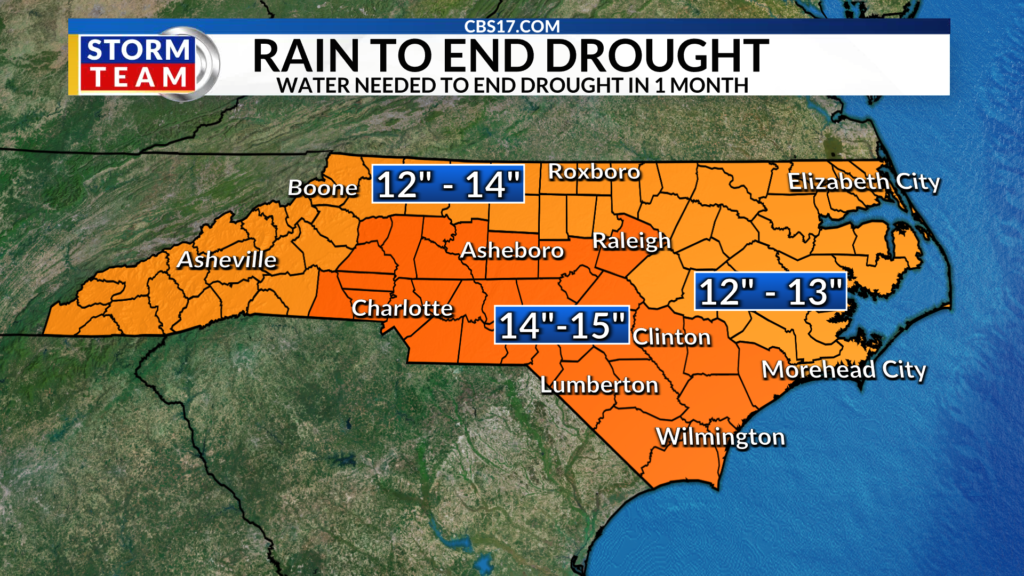
Meteorologists have previously estimated that much of central North Carolina would need roughly 12 to 14 inches of rainfall within a month to completely eliminate drought conditions.
Read more US Open off to a slow and foggy start at Shinnecock Hills