 By admin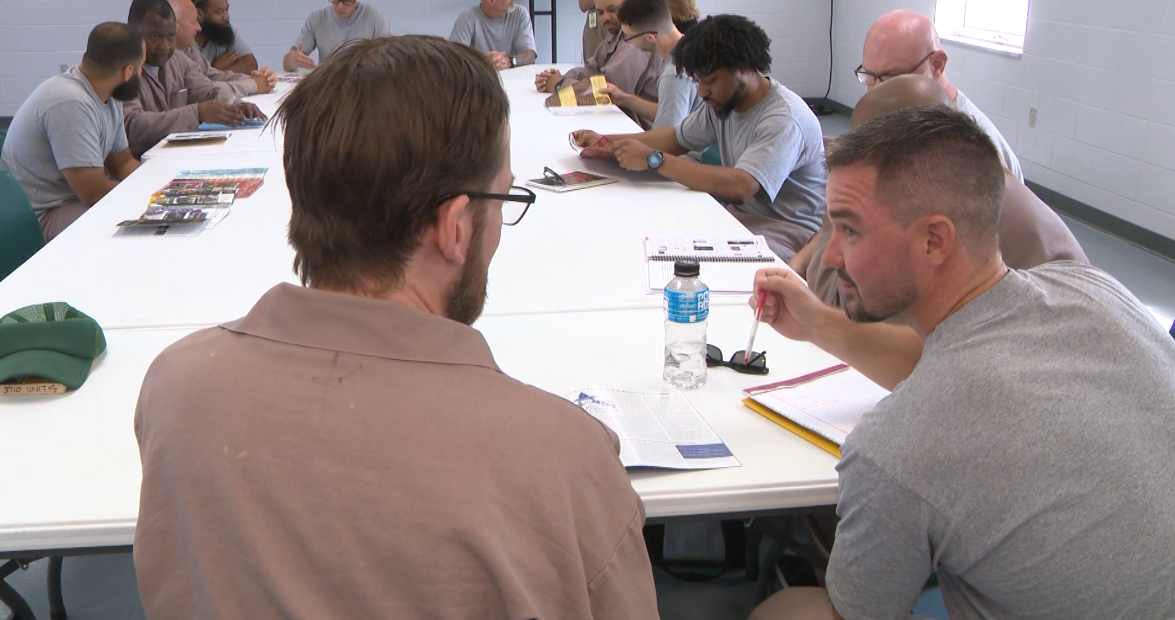
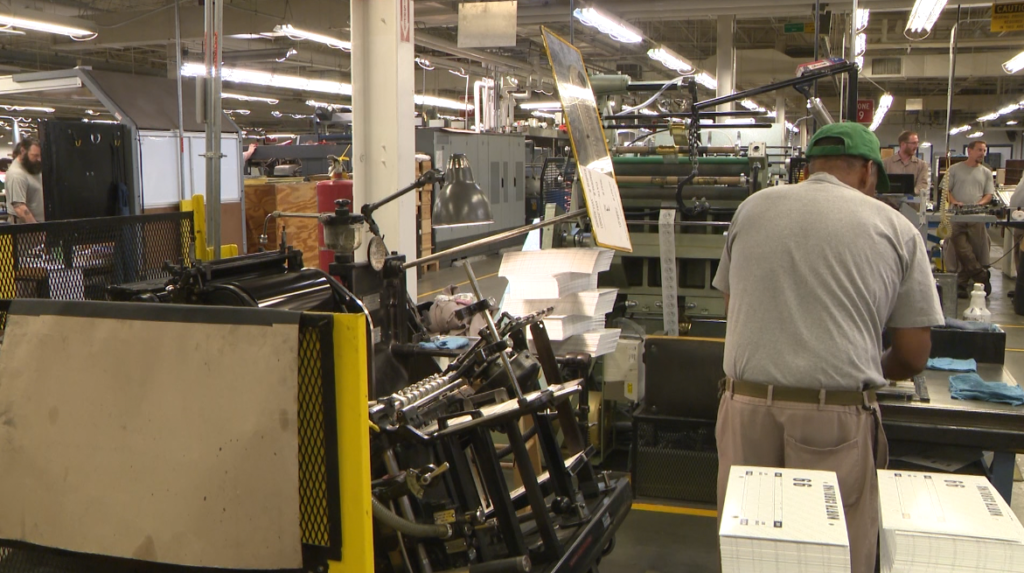
NASHVILLE, N.C. (WNCN) — Inside a newsroom tucked within Nash Correctional Institution’s massive printing plant, incarcerated journalists gather story ideas, conduct interviews, create artwork, and assemble pages for one of the nation’s longest-running prison publications.
Read more Canvas access fully restored in Wake County after hacking, potential data leak
Four times each year, the men behind The Nash News produce a newsletter filled with stories from inside prison walls — a process they said provides both creative purpose and a connection to others living behind bars.
“A lot of the time, we’re definitely looking for content for an issue, but you just kind of overhear somebody’s story, which is their life,” inmate journalist Michael Sutton said. “But then you hear them talking about it, and like, that’s a really interesting story.”
The publication begins with inmate journalists gathering stories throughout the prison.
“When we get a chance to tell those stories, those are the ones we jump on first,” inmate journalist Kwame Teague said.
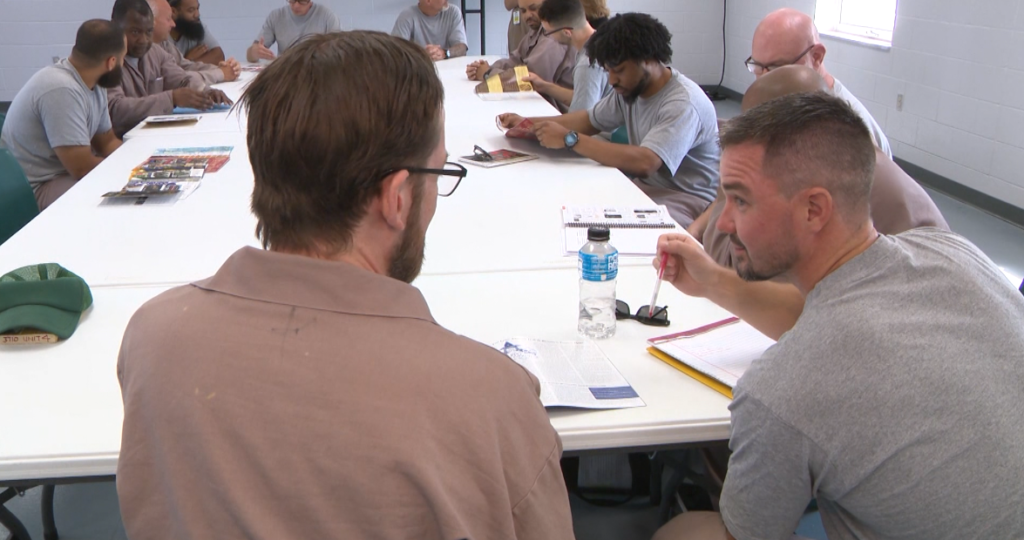
After identifying stories, the men conduct interviews throughout the prison, sometimes meeting with inmates in housing units and other times bringing them into the newsroom depending on the topic.
“We set up interviews with the people, we’ll sit in the block and interview them, sometimes we’ll take them over to the newsroom and interview them, depending on the subject matter and how sensitive it is,” Sutton said.
Once completed, the stories move through an editorial process led by inmate editor Timothy Johnson.
“I oversee all of the activities of The Nash News, lead the weekly meetings, assign the articles,” Johnson said.
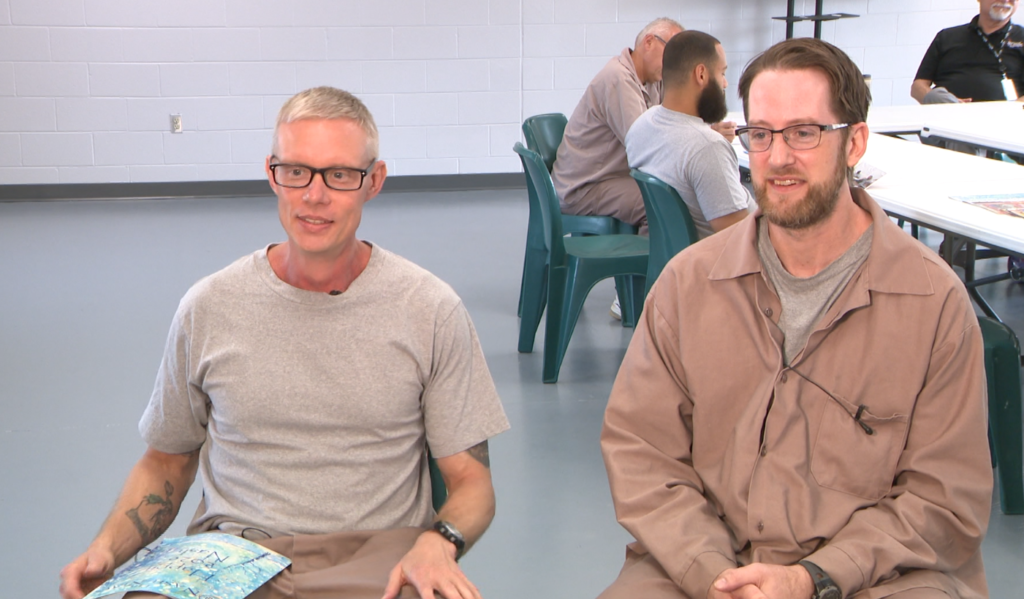
The publication also features original artwork created by inmate illustrator Jason Williford, who said the role allows him to pursue a longtime passion.
“It was always a dream of mine as a kid to be a comic book artist, so this is right up my alley,” Williford said.
Assistant editor Cris Gardner handles the layout and visual presentation of each edition.
“I use this to lay out all the stories, put in all the artwork — I choose the graphics and the overall look of the publication,” Gardner said.
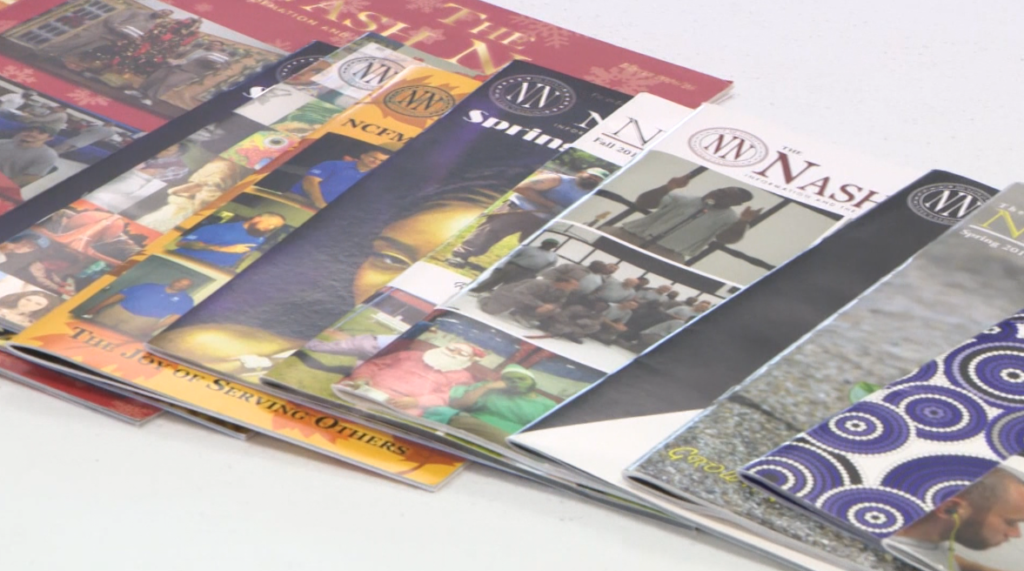
Four editions of The Nash News are printed every year — one for each season — and uploaded to a digital database accessible by prisons across the country.
Read more NC resident among those evacuated from hantavirus-infected cruise, state health officials say
For many involved, the publication offers more than just a creative outlet.
“It created community,” Teague said. “It created community and a sense of belonging. I always say making the best of a bad situation, finding other individuals who were doing the same thing.”
Gardner said the work also serves as an escape from the daily pressures of prison life.
“This is where I get away from all the stress that’s on the block, the noise, the aggravation,” Gardner said.
The newsletter’s impact becomes especially visible once copies are distributed throughout the prison.
“I live on a top tier of the prison block, and I go and I pass out The Nash News — I put them on everybody’s door and on their beds, and some guys don’t care, they’re just going to throw them aside,” Gardner said.
“But sometimes, I’ll sit up there on the top tier, and I’ll look down and I’ll watch, and somebody’s got it open, and they’re looking at it, or someone will come up to me later and say, ‘Hey, I saw my picture in there,’” he said. “I appreciate that.”
Sutton said seeing the impact the stories have had on others inside the prison changed how he viewed the publication.
“Once I could see the joy in people’s faces when you can articulate stuff that they can’t and get their stories out, and the joy they find when they see themselves and their stories in The Nash News, it just kind of made me fall in love with it,” Sutton said.
The men behind The Nash News said the stories also help show a side of prison life often unseen by the public.
Looking for more positive news in your day? Check out The Bright Side ☀️
“It’s not just negativity in here,” Teague said. “There are guys in here who are really, really trying to better their lives, and they deserve a second chance.”
For Williford, the publication represents something many inmates search for during lengthy prison sentences — hope.
“Things like that just give you hope,” Williford said. “If you have a long-term sentence like I do, you need something to hold on to, you need something to give you hope.”
Read more Kids of all ages need regular recess for physical and mental health, pediatricians group finds