 By admin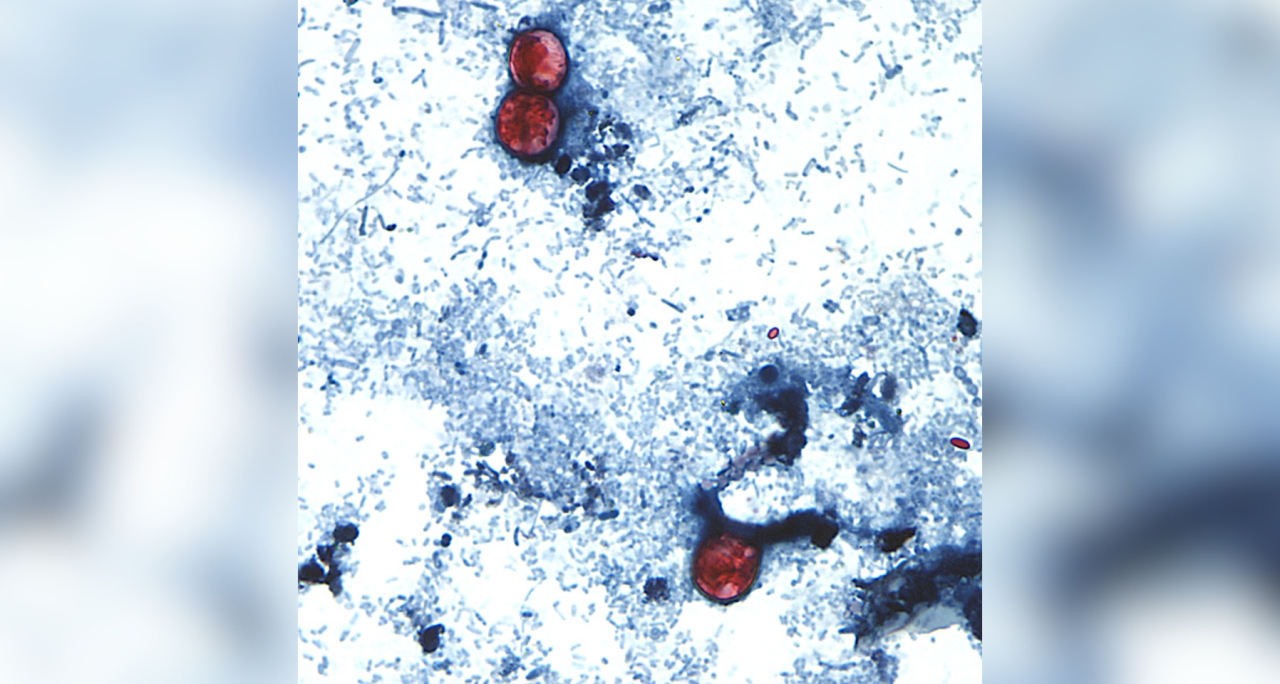
RALEIGH, N.C. (WNCN) — A concerning intestinal illness has been making its rounds in more than a dozen states, including North Carolina.
Read more UNC police investigating ‘safety threat’ at Kenan Stadium
It’s linked to a parasite called “Cyclospora,” found in food and water. It causes the illness cyclosporiasis.
“It happens when you accidentally swallow the parasite and there’s a seasonal pattern associated with it. So, a lot of us in the summertime are eating more fresh fruits and vegetables,” said Candice Christian, NC State Extension Associate with Food Safety.
Christian told CBS 17 that the parasite can be linked to produce like basil, cilantro, parsley, raspberries, and romaine lettuce, to name a few. “The best defense that you can do at home is to scrub any firm produce. So, if you’ve got melons or cucumbers, you want to scrub those with a vegetable brush, not just rinsing like we usually do.”
Currently, 145 cases have been reported in North Carolina since May 1. At least 85 of those are in Wake County.
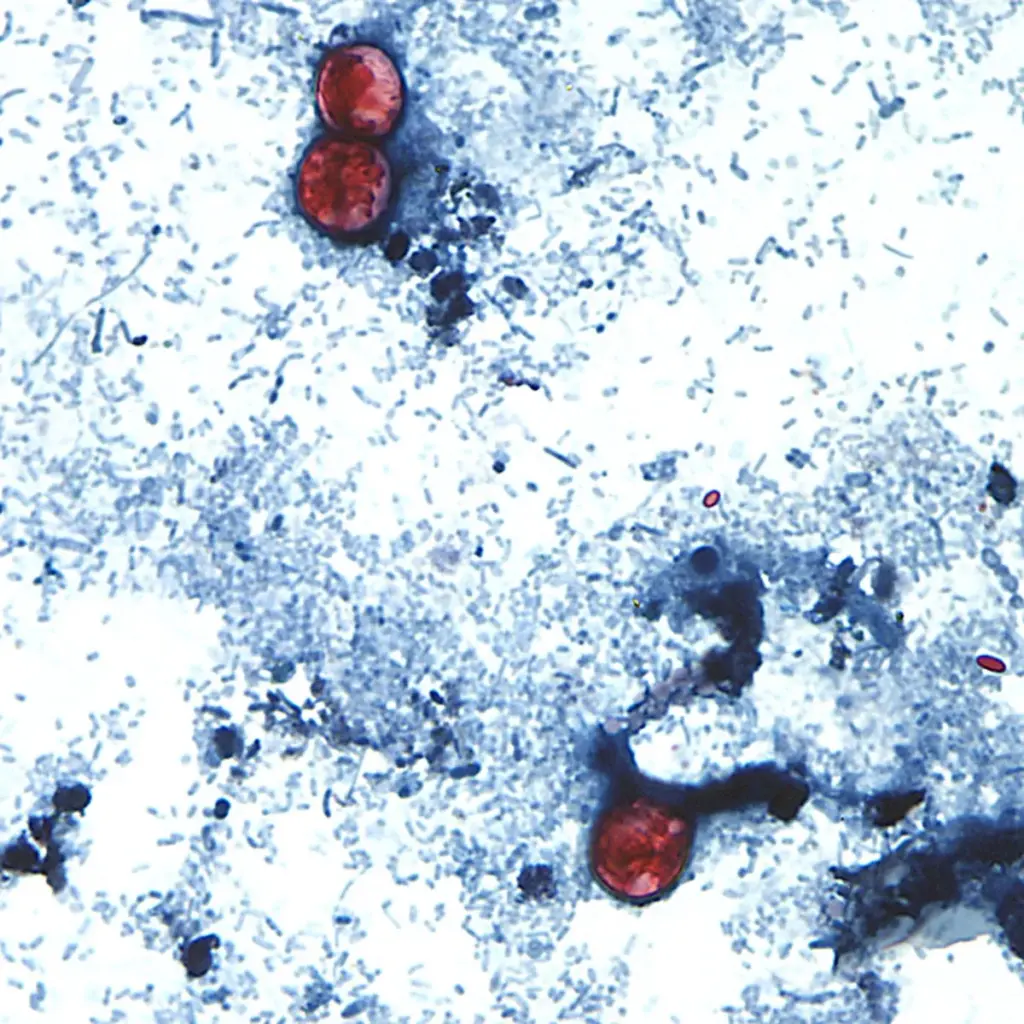
“This can last anywhere from several days to weeks, meaning three or more weeks. And it makes you pretty miserable,” said Dr. David Weber, UNC Distinguished Professor of Medicine, Pediatrics and Epidemiology.
Read more France and Morocco meet again at the World Cup, this time in the quarterfinals
Dr. Weber said the illness can be treated with antibiotics and that it can also be particularly tough on children.
“I worry most about young children who don’t have the capability of keeping up with their fluid amounts. So certainly, a child who’s not quite as responsive as you would like. The skin’s sort of tinting. They’re not drinking enough. They’re not reacting normally. They need to be brought to see their physician or to an emergency department,” Dr. Weber told CBS 17.
Symptoms include watery stool, explosive diarrhea, abdominal pain, vomiting, or a low-grade fever.
“You don’t really get spread from person to person like norovirus. And that’s because this organism, which lives within the cells of the gut, it has to be in the soil for a couple of days for it to then go on to the next phase of the life cycle, which is infectious,” said Dr. Weber.
Read more Ohio judge grants preliminary injunction for men’s, women’s hoops players suing NCAA for eligibility
Officials haven’t identified any sources of these recent cases.