 By admin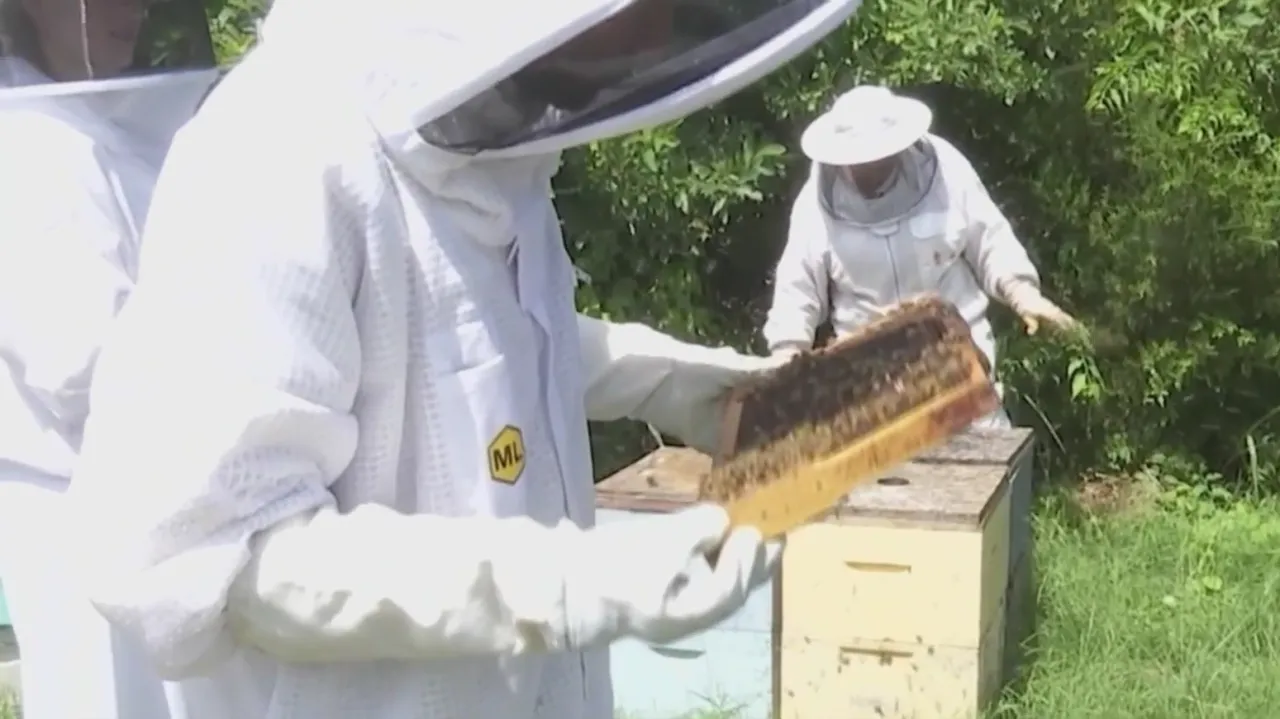
MEBANE, N.C. (WGHP) — The University of North Carolina at Greensboro Pollinator Center is working with a beekeeper to test honey and hives for mites that are harming the bee population.
Read more Sullenberger supporters reflect on his impact in aviation and beyond following Alzheimer’s diagnosis
Experts say these mites are becoming resistant to the pesticides beekeepers use, putting their colonies at risk. Now, they’re learning how to breed bees to naturally fight off these mites.
Mite Fight
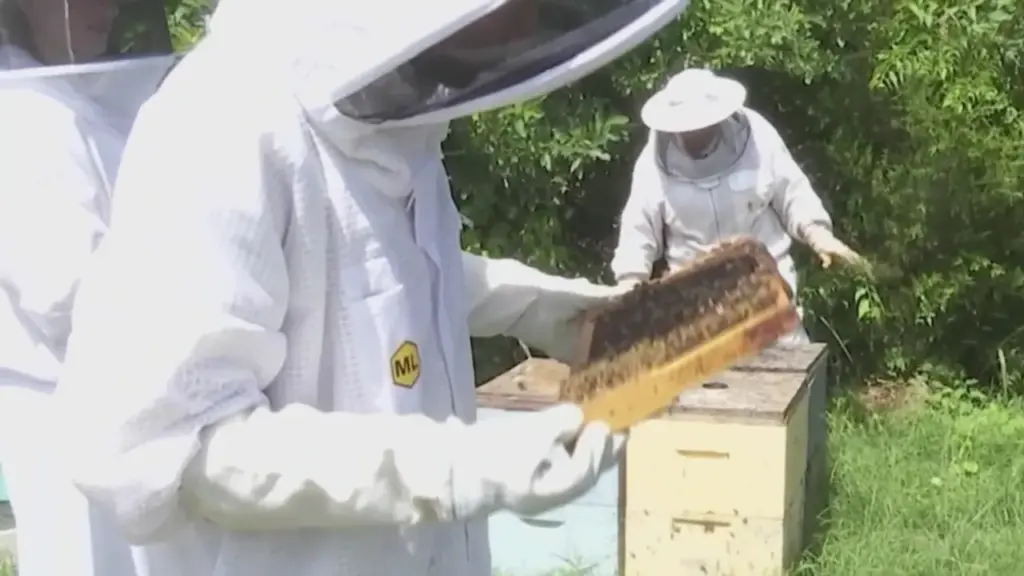
UNCG’s Pollinator Center is partnering with King Cobra Apiary in Mebane to find a way to protect local bee colonies from Varroa destructor mites.
“As many people know, we’ve had a lot of colony losses, especially over the last five or ten years in the United States,” Director of the UNCG Plant and Pollinator Center Kaira Wagoner said.
She says the mites are a major predator of bees.
Wagoner says the mites are becoming resistant to miticide, which is a pesticide specifically made to control the mites, but they’re finding these chemicals just aren’t working to protect colonies.
“What we’re trying to do here today is look at what factors are driving that resistance,” Wagoner said.
Beekeepers are now looking for ways to naturally fight the mites.
“We can get these samples from a commercial beekeeper. … Real-world bees that are just not in a research apiary. We can compare them to the colonies that we don’t actually treat with these miticides,” Wagoner said.
Read more Charlotte leaders consider earlier juvenile curfew amid teen takeover concerns
Benefits
Ali Iyoob says that as a commercial beekeeper, the research is benefiting his colony in real time.
“Real-world examples of how bees that go on pollination, that are used to reproduce honey, that are used to make queens and sell bees. That’s what we’re trying to protect,” Iyoob said.
Wagoner says the pollinators’ health directly impacts food security not only in the region or state but across the country.
“One in every three bites of food that you eat is thanks to a pollinator, and so it is really, really important that we are able to maintain healthy pollinators, healthy honeybees across the entire country,” Wagoner said.
Wagoner says her team has already been able to see direct results from some of the samples they’ve taken. They will continue to assess the colonies and slowly build knowledge on how to protect the pollinators from mites.
Read more Tai chi practitioners seek balance and well-being in fast-paced Beijing