 By admin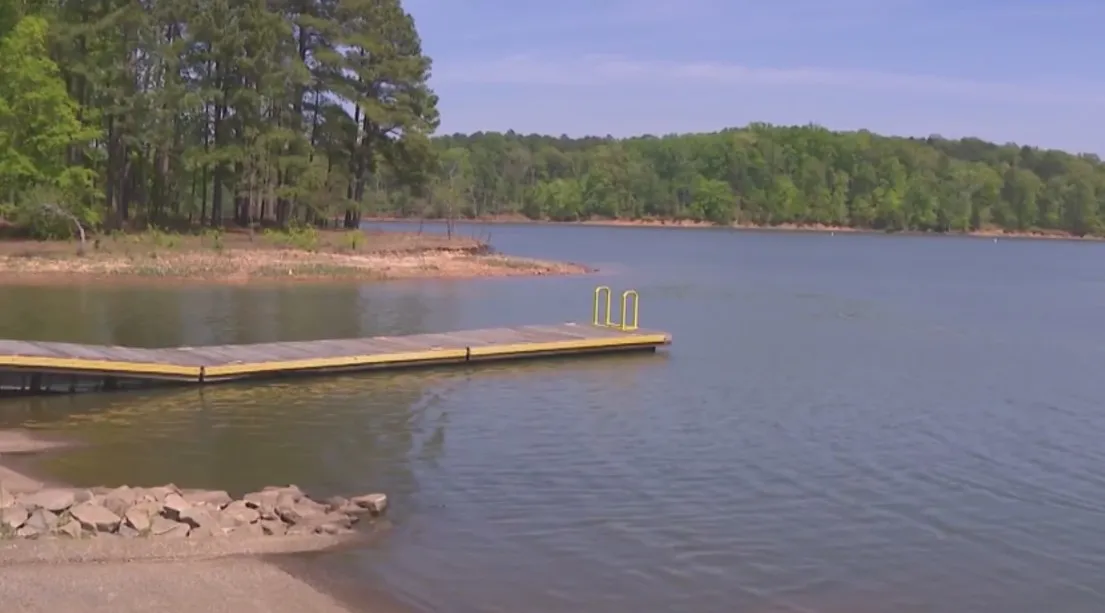
RALEIGH, N.C. (WNCN) — After more than three months of mandatory water conservation measures, Raleigh’s Stage 1 water restrictions officially ended Monday following weeks of heavy rainfall that significantly improved water levels at Falls Lake.
Read more Russian planes fire a salvo of glide bombs at a southern Ukraine city, killing 1 and wounding dozens
The City of Raleigh first implemented Stage 1 restrictions on April 20 after the city’s primary drinking water source dropped to 84% capacity amid worsening drought conditions. Water levels continued to decline through much of the spring and early summer before a series of storms in recent weeks helped replenish the reservoir.
City officials said Falls Lake has recovered to 84% capacity, meeting the threshold outlined in Raleigh’s Water Shortage Response Plan to lift restrictions. Secondary water sources have also rebounded, with Lake Benson now at full capacity and Lake Wheeler nearly full.
“Rain over the past two weeks, including several periods of heavy rain, has helped increase water levels in Falls Lake,” the City of Raleigh said in a statement. “The current water supply level meets the requirement to lift restrictions under the city’s water supply plan.”
Despite the improved conditions, city officials stressed the drought is not over and encouraged residents to continue using water wisely because Falls Lake remains below full capacity.
“Residents’ efforts during Stage 1 restrictions helped lower water use and protect our water supply,” the city said. “Simple actions, like limiting unnecessary outdoor water use and being mindful of daily water habits, such as shorter showers or only full laundry loads, continue to make a difference.”
Raleigh Water Assistant Director Ed Buchan previously told CBS 17 the recent rainfall exceeded the city’s trigger for ending restrictions.
“We were expecting to have to stay in some level of drought restrictions through most of the summer, if not the entire summer into fall,” Buchan said. “So, this rainfall that we received last week was exactly in the right spot, and it was a lot of it.”
“Our exit trigger was exceeded, which is 75% for July, so we feel comfortable that we’re going to be able to manage through the summer and fall,” he added.
Read more European soccer body UEFA warns FIFA of legal action over Infantino’s failed World Cup sell-off plan
The decision comes as drought conditions continue to improve across North Carolina following an exceptionally wet July. According to the latest U.S. Drought Monitor, exceptional drought has been nearly eliminated statewide, while more than 86% of North Carolina remains in at least a moderate drought.
Gov. Josh Stein said last week that while recent rainfall has provided much-needed relief, residents should continue conserving water.
“Although recent rainfall has made a dent in the problem, we’re not in the clear yet,” Stein said. “I encourage North Carolinians to check their local water system’s conservation status and do their part to use water wisely.”
July was one of the wettest months on record in Raleigh. More than a foot of rain fell at Raleigh-Durham International Airport during the month — more rainfall than the airport received during the first six months of the year combined.
State officials say that while streams have responded quickly to the recent rainfall, reservoirs and groundwater recover much more slowly. Falls Lake remains about 3.1 feet below its normal level for this time of year, underscoring why conservation efforts are still encouraged even after mandatory restrictions have ended.
MORE FROM CBS 17
WAKE COUNTY NEWS
Raleigh lifts water restrictions after months of drought
Garner man charged after toddler dies in bathtub: Warrant
Jaguar driver loses control, plows into Raleigh home: Police
Since Stage 1 restrictions began in April, Raleigh Water has received reports of approximately 1,100 potential violations. Ten homeowners were ultimately fined, including eight who received $50 penalties and two who were fined $200.
“Initial reaction was very good, and then over time, because it was very hot in late May and June, we started to see those demands climb, and then we did an audit of our irrigation accounts, and we were able to determine 46 to 48% of those accounts were not compliant,” Buchan said.
“I think in the last few weeks we’ve actually really seen where we want to be in terms of demand,” he said. “We would also encourage customers to continue that if possible. We are still in a drought.”
Read more Garner man charged with murder, child abuse after toddler dies in bathtub: Warrant