 By admin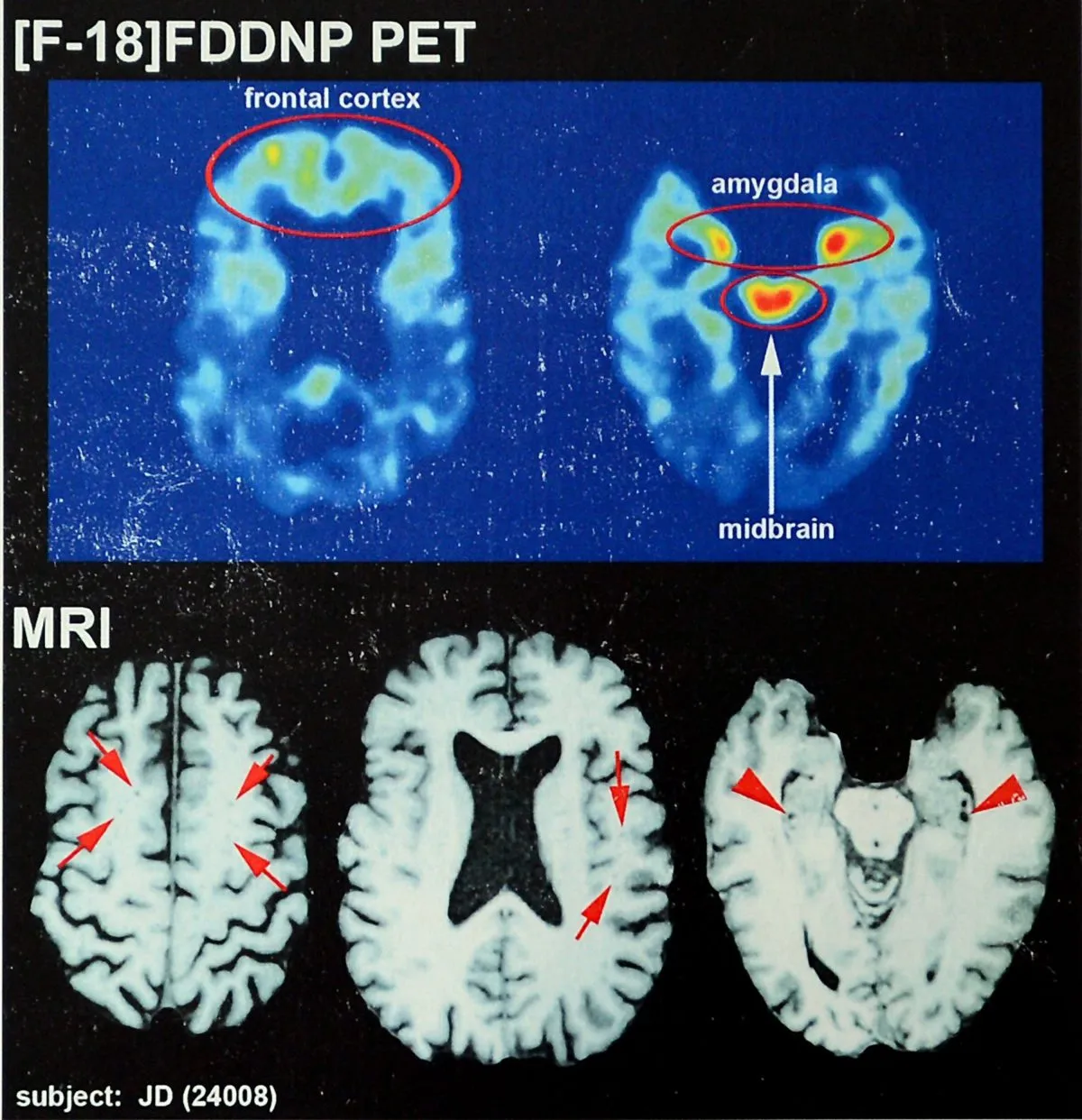
(NewsNation) — At least 1 in 4 NFL players who died between 2016 and 2021 had a degenerative brain disease known as CTE, a new study found.
Read more New teen center aims to provide a safe, supportive ‘third space’ for girls in Durham
CTE, which stands for chronic traumatic encephalopathy, has been a subject of increasing concern as researchers established that repeated head trauma like that sustained by football players can lead to the degenerative condition.
A new study published in the BMJ examined the brains of 235 former players who died in that time frame, finding that 215 of the donated brains were found to have CTE. To determine the sample size of players whose brains were represented, the study authors created a list of all players who died during that period.
CTE is associated with repeated blows to the head, such as those faced by athletes in contact sports. Symptoms include attention problems, memory problems, dementia, headaches and mood disorders.
One of the challenges of studying CTE is that it can only be diagnosed by examining the brain after death, leaving researchers to rely on brains donated by families or individuals who believe they may have had the disease.
Researchers note that the estimate of 25% could be on the low end, pointing to suspected cases of CTE among football players whose brains were not examined and death certificates of players who did not donate their brains but had neurodegenerative disease listed as a cause of death.
The study found a maximum possible prevalence of 97% of CTE, assuming that every player except for the 20 whose brains were definitively cleared had the condition.
Read more More than 300 part-time jobs available at Lenovo Center
NOW PLAYING
In a statement, the NFL said it encourages former players to use resources to seek treatment if they are concerned about their health.
“The NFL continuously strives to make the game of football safer, including by implementing strategies to reduce concussions and head impacts,” the statement said.
Researchers also examined the link between CTE and dementia, finding a high correlation between the most advanced stage of CTE and dementia in life, with 90% of Stage IV samples also having a dementia diagnosis based on medical records and information from loved ones. However, there was a less clear link between lower stages of CTE and dementia or in brains without CTE.
One caveat to the study is that most of the professional football careers of the players who donated their brains took place before 2005, when the first case of CTE was diagnosed in a former NFL player.
As scientists have learned more about CTE and head trauma, the NFL has taken steps to improve safety, including banning dangerous plays like helmet-to-helmet tackles and funding the development of better safety equipment.
Read more 3 juveniles wanted in Chapel Hill car break-ins arrested after multi-county case: Police