 By admin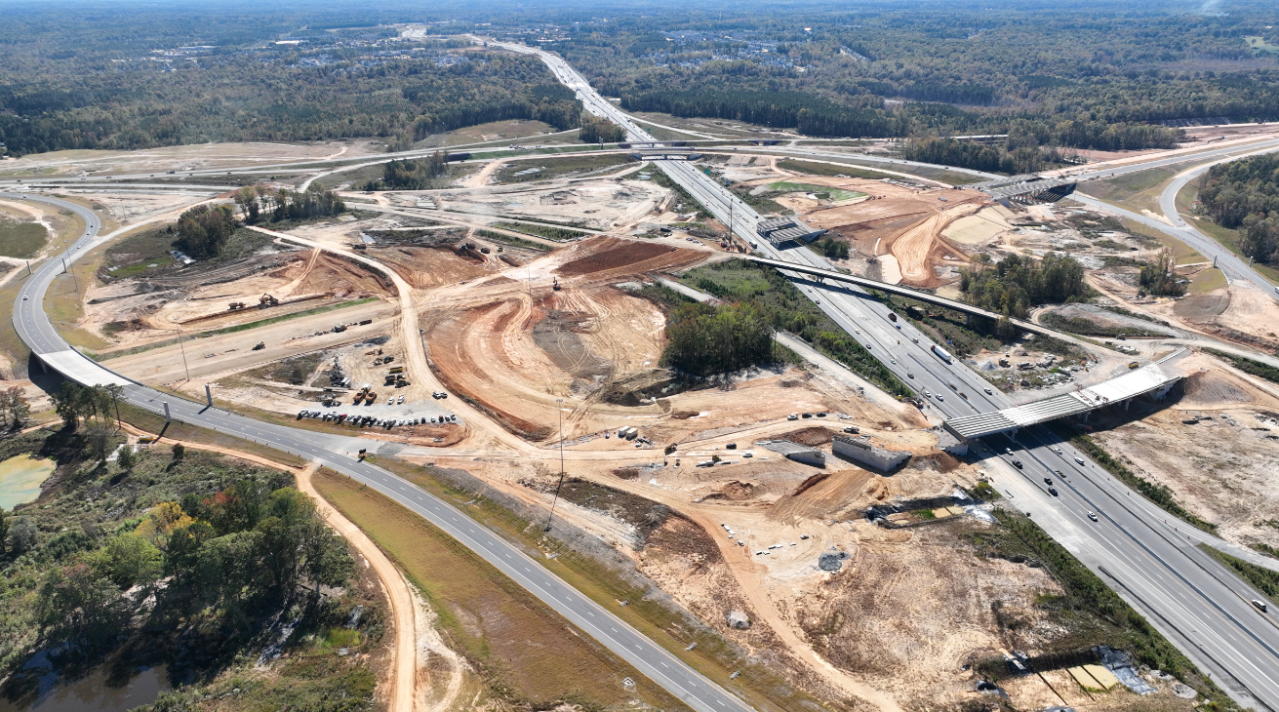
RALEIGH, N.C. (WNCN) — North Carolina is known as First in Flight. But what about the roads?
Read more Trump considers suspending federal gas tax as prices remain over $4 in NC
Major transportation projects are transforming how people get around the Triangle—impacting everything from your daily commute to future growth.
“In recent history, the I-40 widening was critically important and very important for freight and economic development. That allowed us to really unlock the potential of that facility,” said North Carolina Department of Transportation Division Engineer Becca Gallis.
Gallis says the widening of I-40 toward Johnston County and improvements along the I-440 Beltline have helped ease congestion while supporting economic growth across the region.
And it’s not just about traffic flow. It’s also about preparing for extreme weather.
“How do we create resilient infrastructure so when the next hurricane comes, our infrastructure is prepared?” Gallis said.
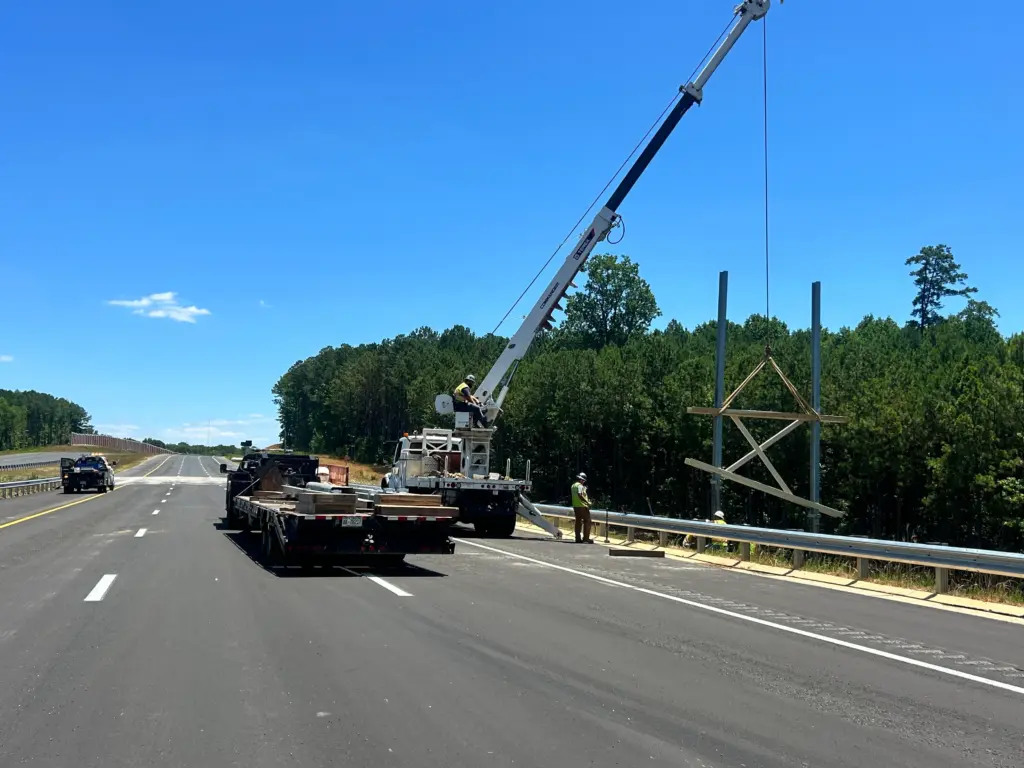
Gallis says engineers are now designing roads and bridges to better handle flooding and severe storms—issues that have impacted drivers in the past.
Meanwhile, projects across the city are also paving the way for how Raleigh looks and feels.
From gateway bridges along Wade Avenue and Capital Boulevard to transit hubs like Raleigh Union Station, leaders say first impressions are lasting.
“A showcase entryway to the city of Raleigh. Raleigh Union Station is another one. How do we create that welcoming environment?” Gallis said.
Similar improvements are happening near Raleigh-Durham International Airport, creating a more modern gateway for travelers landing in the Triangle.
Looking ahead, even more projects are in the pipeline over the next five years.
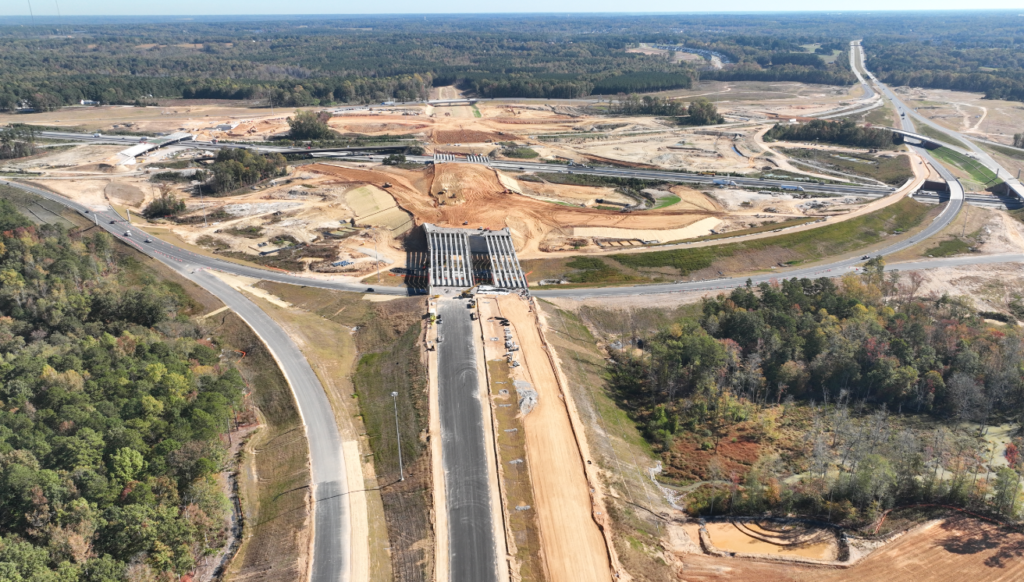
Gallis says that includes the completion of the Interstate 540 loop, a major overhaul of Capital Boulevard, and a massive interchange project connecting I-40, I-440, U.S. 1, and U.S. 64.
Read more Property tax levy amendment bill clears House Finance Committee
Public transit is also expanding, with Bus Rapid Transit lines starting along New Bern Avenue.
“The future is really about how do we maximize the infrastructure that we have, deliver a bus rapid transit system, work with the airport, improve bike and pedestrian infrastructure, and collaborate effectively,” Gallis said.
But while the improvements are visible now, Gallis says projects like these take years—sometimes more than a decade—to complete.
“It’s about ten years on average from when we identify an idea to when it’s built,” Gallis said.
That long timeline means planners are always looking down the road, tracking growth and predicting each turn the Triangle will take decades from now.
“We’re working on the 2055 vision based on where we see population movement, and we adjust that plan,” Gallis said.
Still, all this progress comes with a downside: construction zones and delays that can frustrate drivers.

Officials say safety should always come first.
“We need your patience. More importantly, we need you to pay attention. Behind each and every orange barrel, someone’s mother or father,” Gallis said.
With one of the largest state-maintained road systems in the country, transportation leaders say the challenge is balancing growth with safety and efficiency.
And with more people moving to North Carolina every day, these projects will play a key role in keeping the region moving forward for years to come.
Read more Fayetteville approves nearly $650,000 in upgrades around historic Market House