 By admin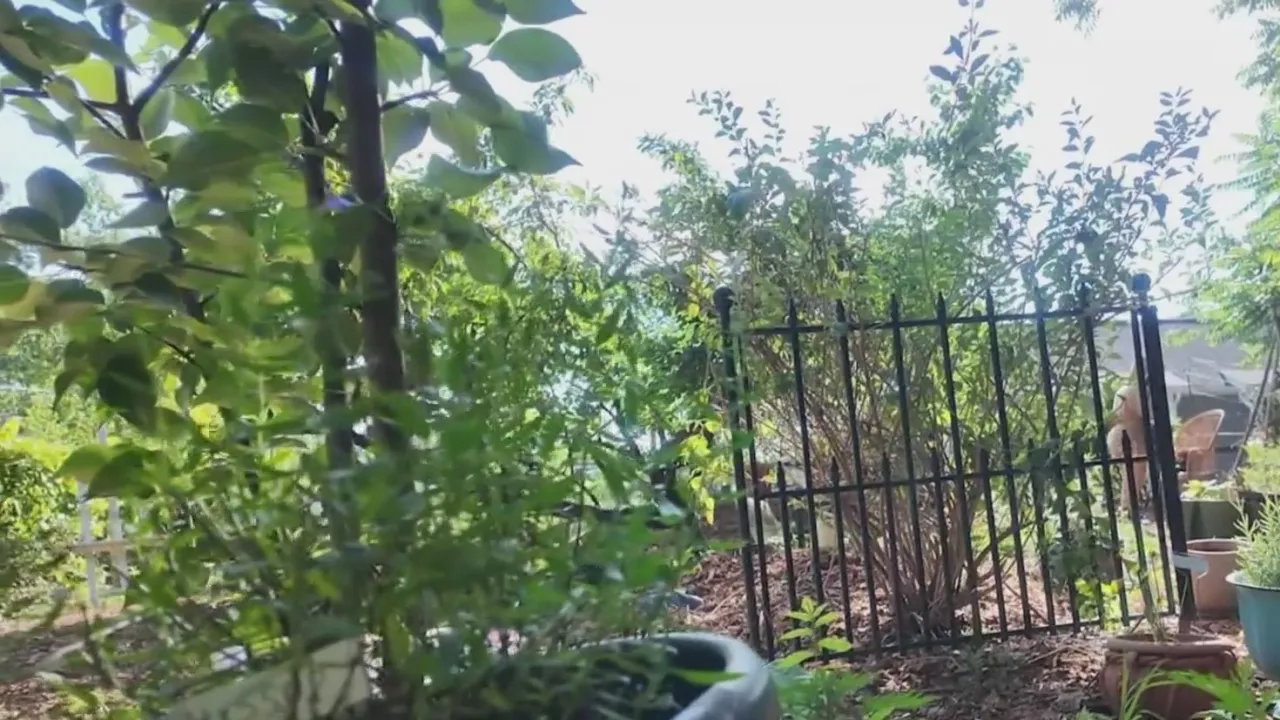
WINSTON-SALEM, N.C. (WGHP) — It started with one small piece of land in the Piedmont Triad. Now it’s grown to become a model so big that it’s caught the attention of the United Nations.
Read more Uncover the Truth: Grammy Award-winning artist Erica Campbell stars in new Lifetime drama
The Winston-Salem Permaculture Collective was invited to the U.N. “Summit of the Future” to showcase how the nonprofit is turning food deserts into food forests.
“In this program, we’re bringing native fruit trees to neighbors and helping them to start getting acquainted with the food forest model,” said Laura Carisa Gardea, founder of the Southside Food Forest.
And that model is simple – take a piece of vacant, neglected land in a food desert and fill it with fruit trees, berry bushes, herbs and edible flowers. The land then grows to become a food forest capable of nourishing people physically, mentally and spiritually.
“You know, a lot of people think gardening, they think raised beds, they think, you know, these kinds of structures, and working with the habitat of North Carolina, we’re so blessed,” said Gardea. “I mean, we have such a beautiful canopy of trees here, and a beautiful array of native plants.”
The Southside Food Forest sits just outside downtown Winston-Salem on West Acadia Avenue. Gardea says it is a model community garden first inspired by her grandfather’s love of gardening, but as a student at the UNC School of the Arts and Wake Forest University, she was inspired to garden with a little more creativity – a garden you plant once, and it produces food year after year. She calls it a “micro-orchard” filled with nature.
“So, the food forest bio appreciates, and it also impacts the entire ecosystem, so it’s building resilience,” Gardea said. “Here we’re putting wood chips and mulch on the ground, and so this is helping to retain water. It’s helping to, you know, if we have a lot of rain, it’s holding that water. And then when we go for periods without rain, that’s important too. So the forest has a topsoil, it has a texture, and it has layers, so you have the soil, you have ground cover, you have vines, herbs, trees, shrubs, medicinals, and they all work together to create habitat and provide soil, air and water filtration, and you can do this without fertilizers in an organic way, as well.”
Read more National Doughnut Day 2026: How to get free doughnuts from Krispy Kreme, Dunkin’ and more
In the last five years, the Southside Food Forest has become home to more than 80 varieties of trees and plants growing figs, persimmons, apples and plums. You’ll also find blackberries, blueberries and muscadine grapes.
Community volunteers help maintain the space with planting, weeding and pruning, and it’s open for foraging, so people are welcome to come in and pick the fruits, nuts, berries and herbs.
A $2,000 grant from The Winston-Salem Foundation helped purchase more fruit trees to give to people who want to start their own food forest. Gardeahopes the idea will grow here at home and around the world with help from the U.N.
“You know, a garden can really make you smile,” said Gardea, “and seeing that impact, especially in the youth, and how much they gravitate to these spaces, you’d be surprised and shocked how many children come to the food forest, and … they’re so connected, and it just really, for me, restores my faith in where we’re heading as a community.”
Southside Food Forest is also open to anyone who just wants to connect with nature, and it’s available to rent for private events. If you’re interested in learning more, visit their website.
Read more Balkan leaders attend EU summit in Montenegro as enlargement gains urgency