 By admin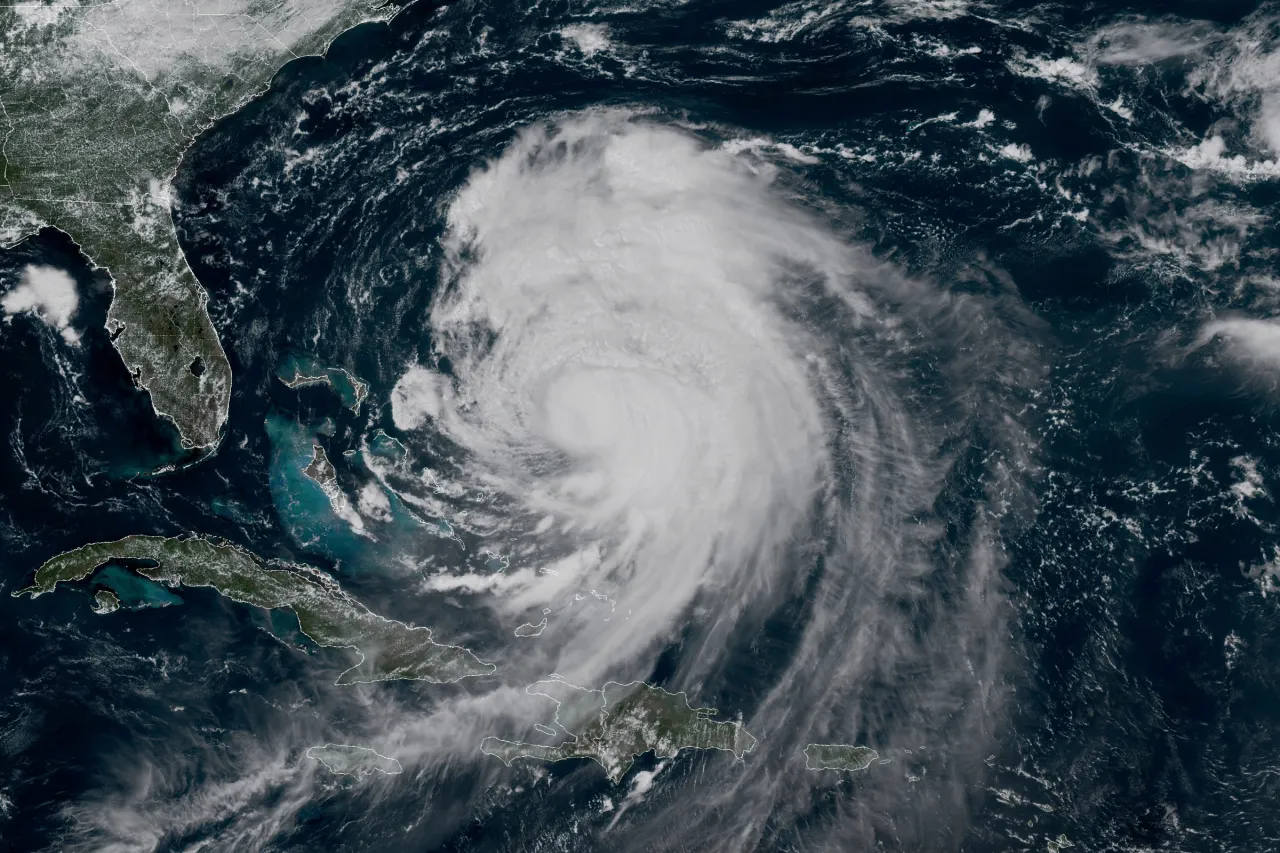
RALEIGH, N.C. (WNCN) — Colorado State University has once again lowered its outlook for the 2026 Atlantic hurricane season as the effects of a strong El Niño continue to create an increasingly hostile environment for tropical development.
Read more Marta Kostyuk beats Jasmine Paolini to set up Wimbledon semifinal against Linda Noskova
When the first forecast was released on April 9, researchers expected 13 named storms, six hurricanes, and three major hurricanes. That outlook was reduced on June 10 to 11 named storms and five hurricanes.
Now, in the latest update released on Wednesday, the forecast has been lowered again to nine named storms, four hurricanes, and just one major hurricane. If this forecast verifies, it would make this one of the quietest Atlantic hurricane seasons in more than a decade.

So far this season, only one named storm has formed: Arthur, a short-lived tropical storm that developed near the Texas coast before quickly weakening. The biggest reason for the slow start has been the persistent wind shear across the Atlantic. Forecasters expected El Niño to produce stronger-than-normal upper-level winds, and that is exactly what has happened.
The strongest wind shear has been focused across the Main Development Region (MDR) of the tropical Atlantic and much of the Caribbean areas, which typically produce the majority of hurricanes during the peak of the season from August through October. Strong wind shear disrupts thunderstorms, tilts developing tropical systems and prevents storms from organizing into stronger tropical cyclones.
Read more World Cup quarterfinals: It’s Messi, Morocco, and 6 teams from Europe. And that’s not unusual

With the Atlantic’s traditional breeding grounds becoming less favorable, tropical development is more likely to occur closer to the U.S. Weak frontal boundaries that stall over warm water, leftover clusters of thunderstorms drifting offshore, or areas of low pressure in the Gulf or along the Southeast coast become more likely locations for development during an El Niño year.
While these types of systems can still produce tropical storms, they generally do not have as much time over open water to become intense hurricanes.

If the Atlantic finishes with fewer than 11 named storms, it will be the quietest hurricane season since 2015, which produced 11 named storms, four hurricanes, and two major hurricanes. That season was also heavily influenced by a strong El Niño, highlighting the powerful role the Pacific Ocean can play in suppressing Atlantic hurricane activity.
While a quieter season reduces the overall number of storms, it only takes one landfalling hurricane to make it a memorable year. Residents along the coast should continue to prepare and remain vigilant through the peak of hurricane season.
Read more Why World Cup game balls always make their way back onto the pitch during matches