 By admin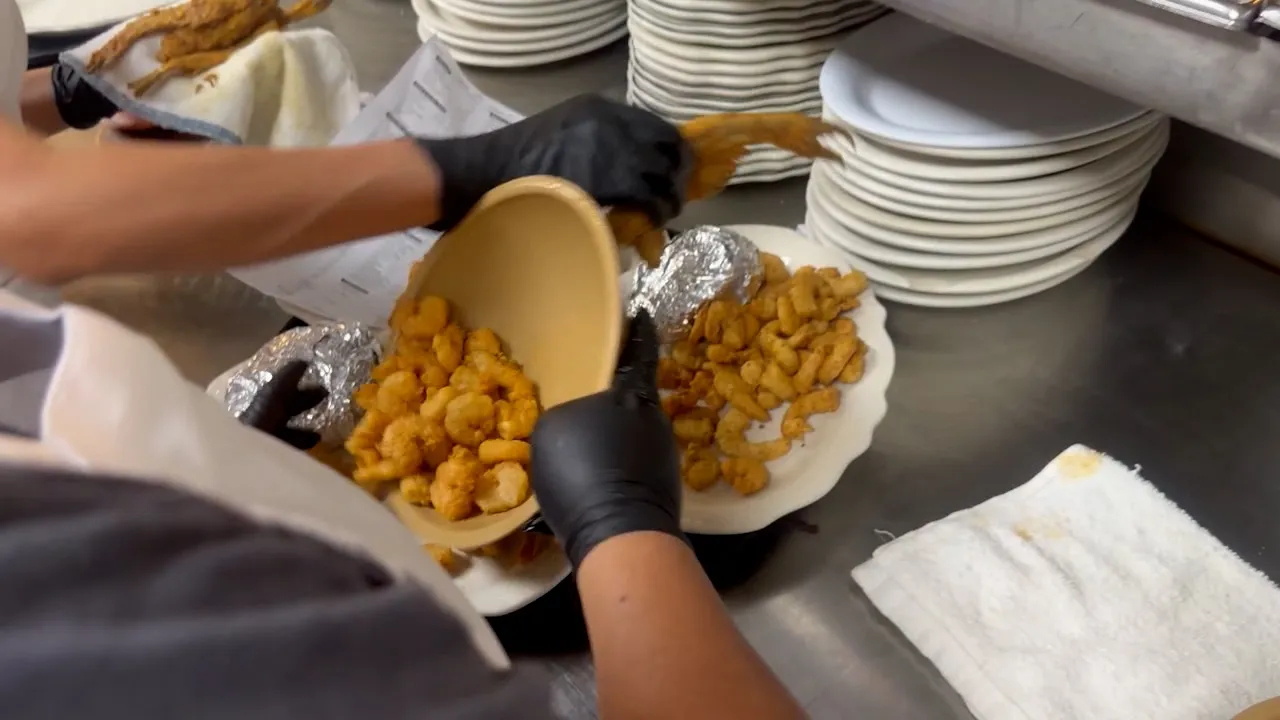
ROCK HILL, S.C. (WJZY) — A new South Carolina law will force restaurant operators to tell customers where they’re getting their shrimp.
Read more Scottie Scheffler headed for first missed cut in 4 years
Legislators say the move will increase transparency and protect the state’s commercial shrimping industry.
“They need to be local, which is our coast, not some foreign place,” said one customer outside of Rock Hill’s Pier 51 Seafood.
“It’s all good,” another customer said. “I know it’s the right type of shrimp and it’s put together good. That’s never really bothered me.”
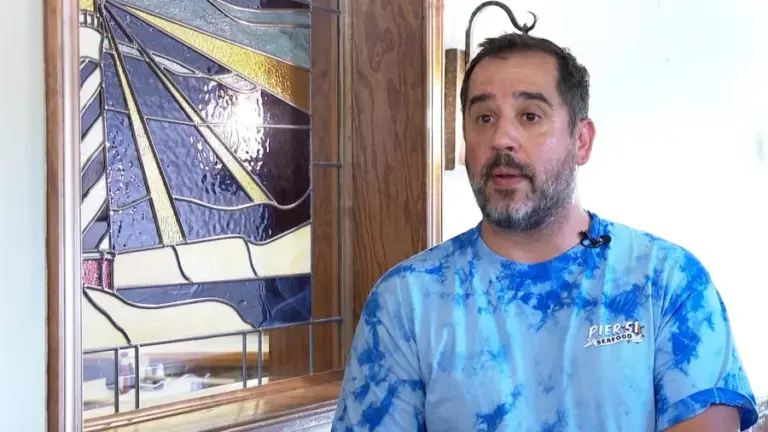
It matters to the owner of Pier 51, Dimitri Kakouras. He says he values the quality of food he serves and won’t have any problem letting his customers know where his shrimp comes from:
“Biloxi down there in Mississippi, that’s where our shrimp comes from,” Kakouras said. “We have Calabash shrimp, green shrimp and jumbo shrimp. And people love them.”
Fried or broiled—whichever way you like. Shrimp is one of the main dishes at this local seafood spot. And now it’ll be served with a little more transparency.
Read more More than 200 cases of diarrhea-causing illness found in NC, with ‘maybe more to come’
A new law recently signed by Gov. Henry McMaster directs food service establishments to post where their shrimp is sourced—whether imported or domestic—on a sign at the main entrance and on their menu.
South Carolina became the sixth state to pass the transparency law.
“A lot of the stuff that comes from overseas, sometimes they freeze them two times,” Kakouras said. “The quality is just not there. They might put different products in them to make them look good. But then once you cook them, they just don’t taste the right way.”
The law comes after a seafood consulting company tested shrimp served at local Charleston-based restaurants last year. The study found that less than 10 percent of them were serving domestic wild-caught shrimp
Food service providers say the transparency brings more opportunity to local shrimpers—and most of all, quality.
“Quality is the number one objective here. Taking care of our customers. Give them the best seafood we can possibly give them. You know, that’s the number one priority here.”
Restaurants have until Oct. 28 to comply.
Businesses that fail to comply will first receive a warning and have three days to correct the violation. Repeat offenses can result in fines ranging from $100 to $5,000.
Read more Former NC bus monitor accused of encouraging children to commit sexual acts