 By admin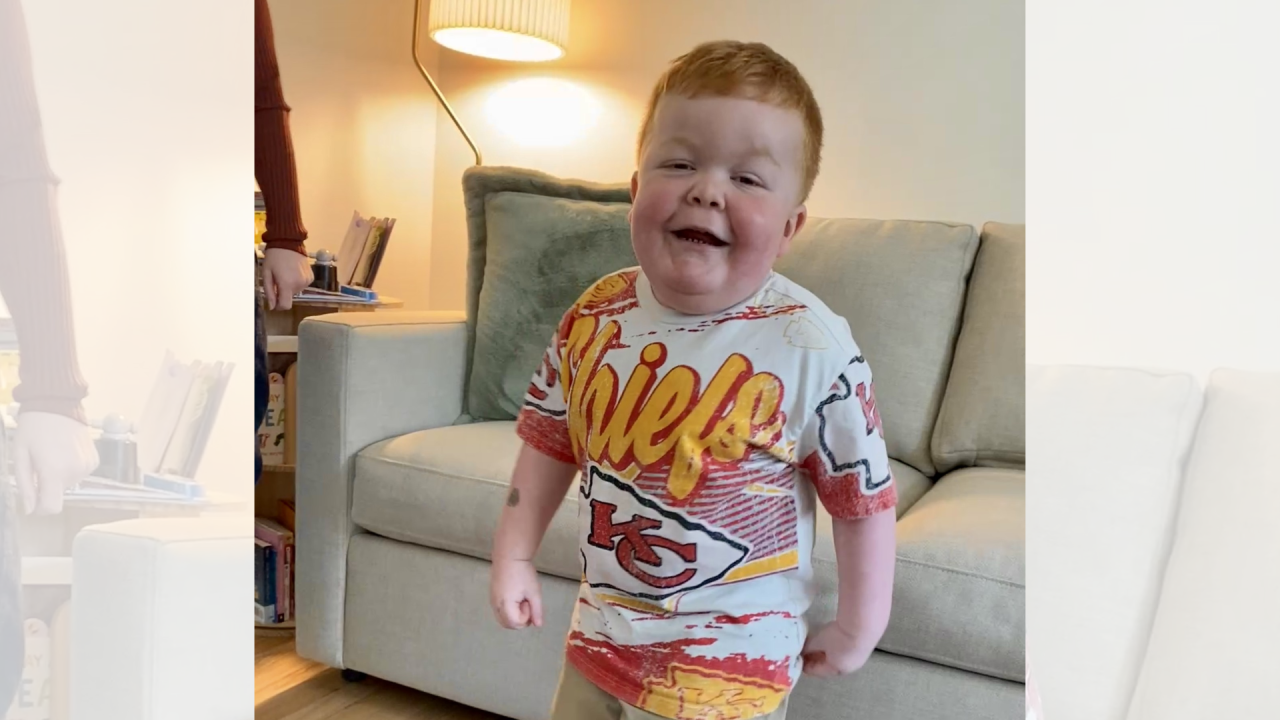
HILLSBOROUGH, N.C. (WNCN) — Families of children with a genetic disorder called Hunter Syndrome are celebrating a potentially life-changing decision.
Read more U.S. Marines ID all 9 people killed in sea-tank sinking
CBS 17 recently introduced you a family dealing with the disease and a UNC geneticist leading research into a new drug. Now, the FDA has approved that drug, giving hope to children with the rare condition.
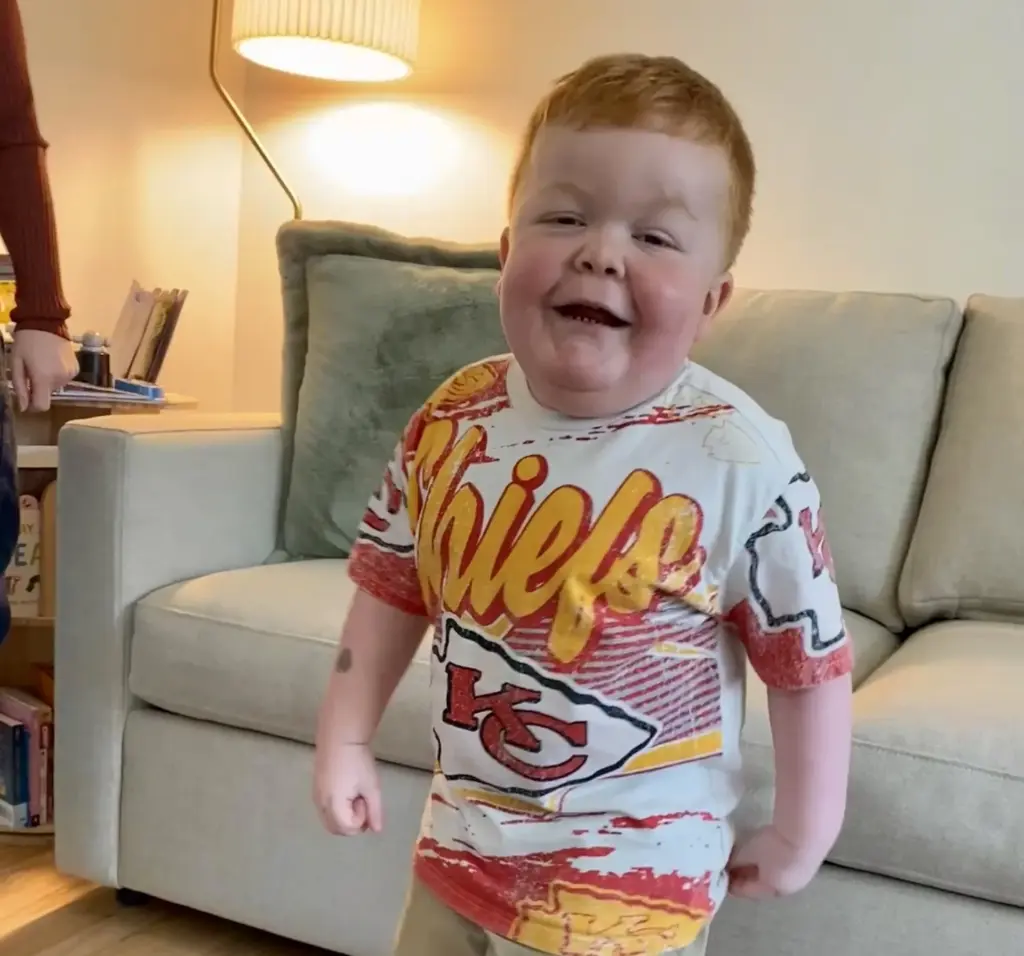
Atlas Neuerburg is the friendliest almost-four-year-old you could meet. On a recent afternoon, he greeted us in the driveway of his Hillsborough home, his dad in tow, talking about his day, his dog, and which toppings we’d like on a wooden pizza, which he proceeded to “cook” in his toy pizza oven.
Before we sat down to talk with Nick and Jenny, his parents, Atlas had shown off his coloring skills and dance moves and requested his favorite record on the record player.
“As you can see, he likes to talk nonstop. He’s always learning something new, always teaching us something,” his mom noted, smiling.
After spending a little time with Atlas, it’s almost hard to believe he has Hunter syndrome, also known as Mucopolysaccharidoses II (MPS II), a genetic disorder affecting the body and brain. It can cause children to regress. losing their skills, their speech, and eventually their lives.
Atlas was diagnosed when he was 18 months old.
“The diagnosis was just devasting,” Nick Neuerburg said. “Everything you could find online, the prognosis was just not good.”
The Neuerburgs, who lived in Kansas at the time, found out about Dr. Joseph Muenzer, a world-renowned pediatric geneticist with UNC Health and an expert in all types of MPS, including Hunter Syndrome. The family moved to the Triangle so Atlas could be part of a drug trial Muenzer was leading.
Children with Hunter Syndrome are missing a critical enzyme that removes sugar molecules from cells in the body and brain. That can lead to a damaging buildup of sugar-waste in those cells.
The trial Atlas became a part of tested a weekly infusion that replaces the enzyme children with Hunter Syndrome are missing.
“The drug crosses the blood-brain barrier,” Muenzer said. “That’s what’s unique. It treats both the physical disease and the brain disease.”
During his time on the drug, Atlas has shown no signs of decline.
“He has just, to us, progressed normally, which is kind of miraculous considering his diagnosis,” his mom said.
According to Muenzer and his team, other children getting the drug are also seeing positive outcomes.
“We have some of the early enrollees, two brothers who are actually living in North Carolina,” Muenzer said. “The youngest was treated under two years of age. Now, six years later, if I showed him to you, you would not recognize him as having Hunter Syndrome. He’s basically developing normally.”
Kim Stephens, who works closely with Muenzer, also sees the benefits to children receiving the drug.
“I knew it was good,” she said. “It worked. I was amazed by all the kids running around.”
Stephens is the executive director of the Muenzer MPS Research and Treatment Center, which Muenzer leads. She also has a son with Hunter Syndrome.
At 15, Stephens’ son, Cole, no longer speaks, but still enjoys puzzles and videos. Cole was not part of the same trial as Atlas, but was part of a clinical trial for another investigational drug for Hunter syndrome.
That drug ultimately was not approved, but Stephens believes it still benefitted Cole, keeping him from regressing further. Many children with Hunter Syndrome die in their teens.
Read more Technical difficulties during CBS Sunday Morning
“When he went into clinical trial at four, I knew it wasn’t a cure,” Stephens recalled. “I just wanted to keep him alive long enough for something better to come along.”
Now, it appears something better has. The drug Muenzer was researching and Atlas was getting recently received FDA approval. The drug, developed by Denali Therapeutics, is now called Avlayah.
The news was cause for celebration at the Muenzer Center and beyond.
“I just came in shouting and ran down the hall,” Stephens said. “Everybody came out of their offices and we were all hugging and crying.”
Said Muenzer, “I was exhilarated for the MPS II community. It’s just a monumental sort of breakthrough.”
Atlas’s parents had a similar reaction.
“I burst in to tears,” Jenny Neuerburg said.
“Same,” her husband added. “A lot of tears of joy. It’s been a long road to get here, lots of pushing, and advocating, and just trying to make sure these kids get what they need.”
Families of children with Hunter syndrome and other rare diseases have held demonstrations and signed petitions, urging lawmakers and the FDA to approve drugs that they believe can save childrens’ lives. Both Stephens and the Neuerburgs have recently advocated in Washington, D.C. One demonstration included a coffin to draw attention to the deadly toll these diseases can take.
There is now hope that Avlayah can change those deadly outcomes. It is the first drug to be approved for Hunter syndrome in 20 years and the first to treat both the body and the brain.
Atlas will continue to receive it, and Cole will begin.
“What I hope for Cole at this point is stability,” Stephens said. “I want more days with him.”
While the drug can’t make children better once they’ve started regressing, Muenzer believes it can prevent further regression.
“It won’t cure them, but it should stabilize, prevent future deteriorations from occurring,” he said.
Muenzer expects children who get the drug early, and continue to get it each week, to develop normally.
“To think that, as Dr. Muenzer describes, you won’t even be able to tell that these boys have MPS II is just wonderful,” Stephens said.
Stephens hopes that parents of young children with Hunter syndrome will never feel the pain she did as she watched her son lose his abilities and his voice.
“Obviously, there’s a wish that it had been around with Cole, but you can’t spend a lot of time there,” she said. “You can’t live in the past. You’ve just got to keep moving forward.”
Stephens is hopeful that the accelerated approval granted to Avlayah and the biomarker evidence the FDA accepted in granting that approval are indicative that more drugs for rare diseases will be approved in the future. She also hopes Avlayah, which is currently only indicated for pediatric patients, will ultimately be available for older patients as well.
While there is more work to be done for families dealing with rare disease, this approval is cause for celebration.
“It’s just thrilling, it really is,” Stephens stated.
MORE FROM CBS 17
ORANGE COUNTY NEWS
All clear given after bomb threat at UNC’s Kenan Stadium
Severe thunderstorm warning for central NC expires: NWS
Chapel Hill business thankful for help after Chantal
For the Neuerburgs it’s a time of hope and relief.
“We are just so happy to know he’ll continue to be able to access this drug and it’s really lifesaving,” Jenny Neuerburg said, smiling.
Read more China’s ‘Green Great Wall’ tames desert growth, but scientists warn the fight is not over
Atlas, eyes bright and face beaming, stood in the living room and danced.