 By admin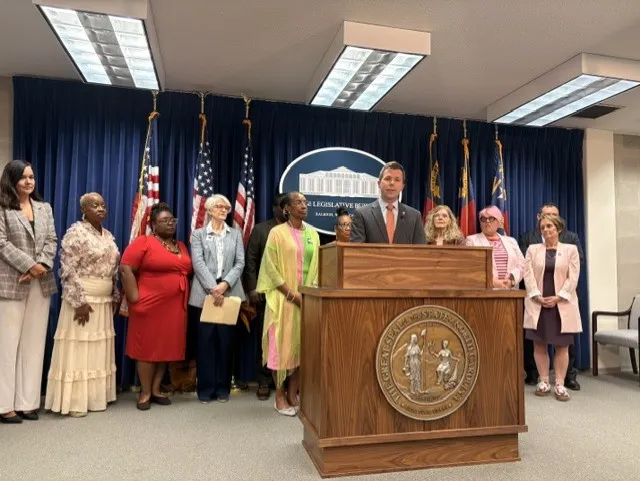
RALEIGH, N.C. (WNCN) — A sweeping elections bill that would make major changes to how votes are counted, reviewed, and challenged in North Carolina advanced through the House Elections Law Committee Tuesday.
Read more NCDMV opens new office inside of Fort Bragg
House Bill 958 would create a statewide post-election audit process that would identify potentially ineligible votes, expand voter roll maintenance efforts, and require absentee ballots to arrive by Election Day.
It would also allow counties to begin processing early and absentee ballots before polls close on Election Day, ban ranked-choice voting, and limit how election officials can encourage voter turnout.
According to state Rep. Hugh Blackwell (R-Burke), the bill’s sponsor, the bill addresses a broad range of election administration provisions.
“We want voting to work efficiently and with integrity,” Blackwell said. “That means that everybody entitled to vote should be able to vote.
“It’s everything from training elections officials correctly, being sure that DMV doesn’t register people who tell them they’re not citizens, being sure that we’ve got a workable process for challenging voters which gives them due process,” he said.
Under the bill’s statewide post-election review process, election officials would review records to identify potentially ineligible votes. County election boards would then play a larger role in reviewing those cases and initiating formal voter challenges.
One of the more controversial provisions would empower the state auditor, who is an elected official, to pick which counties to audit while also being given broad access to election records, voting equipment, and government databases. The office is currently held by Republican Dave Boliek.
Read more ‘We’re American. We don’t take s—.’ US says Pochettino instilled strong mentality for World Cup
“The auditor is a partisan elected office,” state Rep. Phil Rubin said (D-Wake). “He campaigns for candidates.”
Rubin argued the expanded challenge process could also open the door to post-election gamesmanship.
“You could actually come through and we better challenge as many voters as possible so we can try and overturn the election,” he said. “This is incentivizing a system where those challenges are not based on a sincere belief. They’re based on a tactical strategy.”
Voting rights advocates rallied against the proposal.
“There has been no election fraud found in North Carolina,” said Dawn Blade Rogue, executive director of Emancipate NC. “This is a solution to a problem that doesn’t exist. This bill is about restricting access to the ballot and making it harder for Black people, students, working mothers, and working class people to vote hard, stop.”
Jennifer Rubin, president of the League of Women Voters of North Carolina, said, “It moves North Carolina away from a voter center election system and toward one that treats voters with suspicion rather than trust. The bill creates new mechanisms to challenge voters, question ballots after they are cast, and discourage participation. North Carolina voters deserve election laws that build confidence through access, fairness, and transparency.”
According to Democrats, the 36-page bill, which just dropped last Friday, June 12, is moving too quickly through the legislative process.
Blackwell said he expects the legislation to get a vote on the House floor on Wednesday. But the bill was abruptly pulled from the House Rules Committee agenda later that afternoon, putting that timeline in question.
Read more Kylian Mbappé sparks France with two goals in 3-1 win over Senegal at the World Cup