 By admin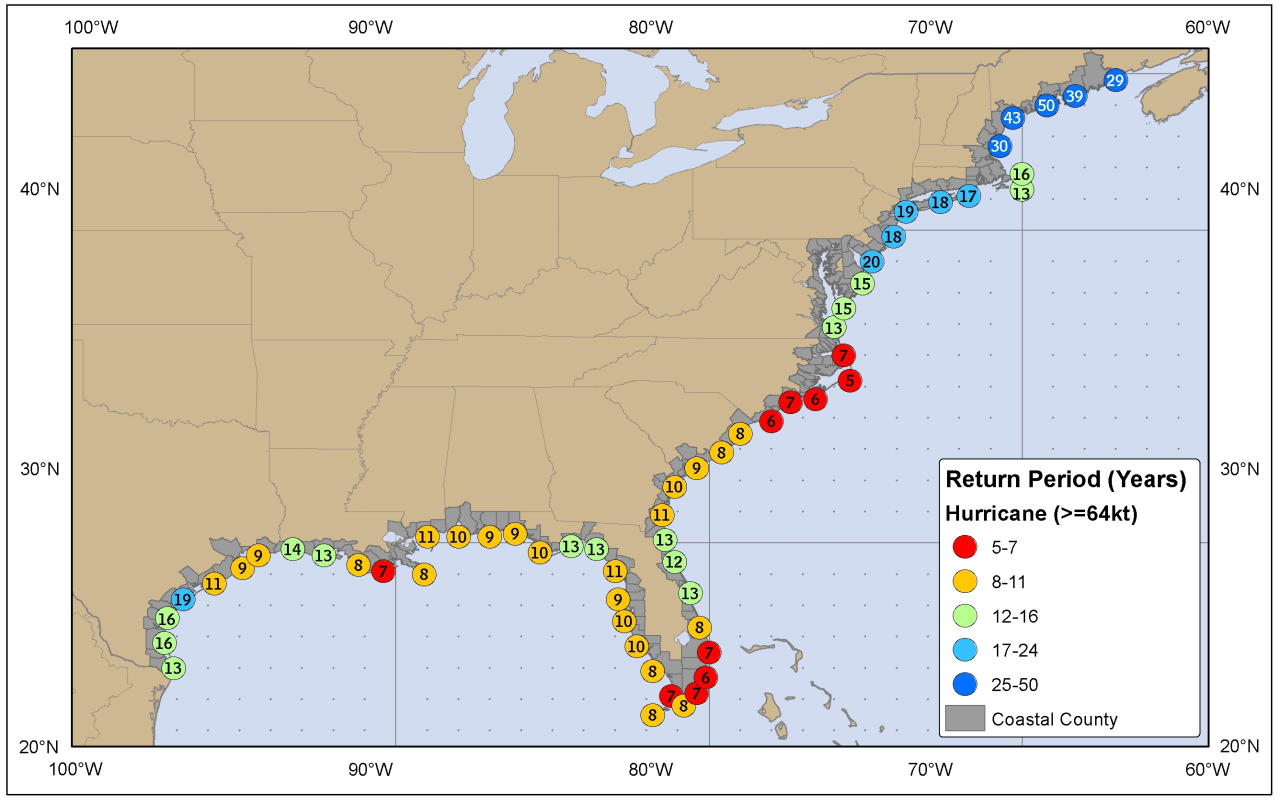
HIGH POINT, N.C. (WGHP) — Hurricane season is about to ramp up on the East Coast.
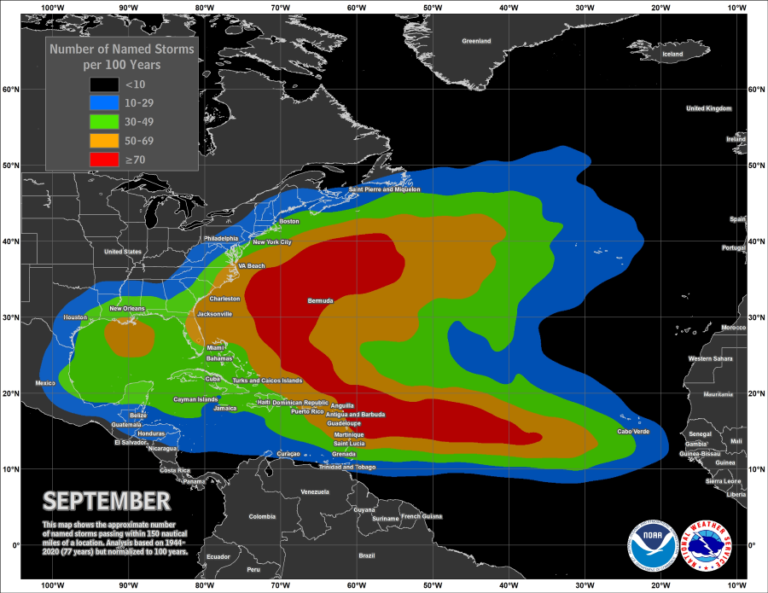
Based on historical data, hurricane season typically starts on June 1 and runs through November 30. It starts slow and the numbers historically jump in August and peak in September.
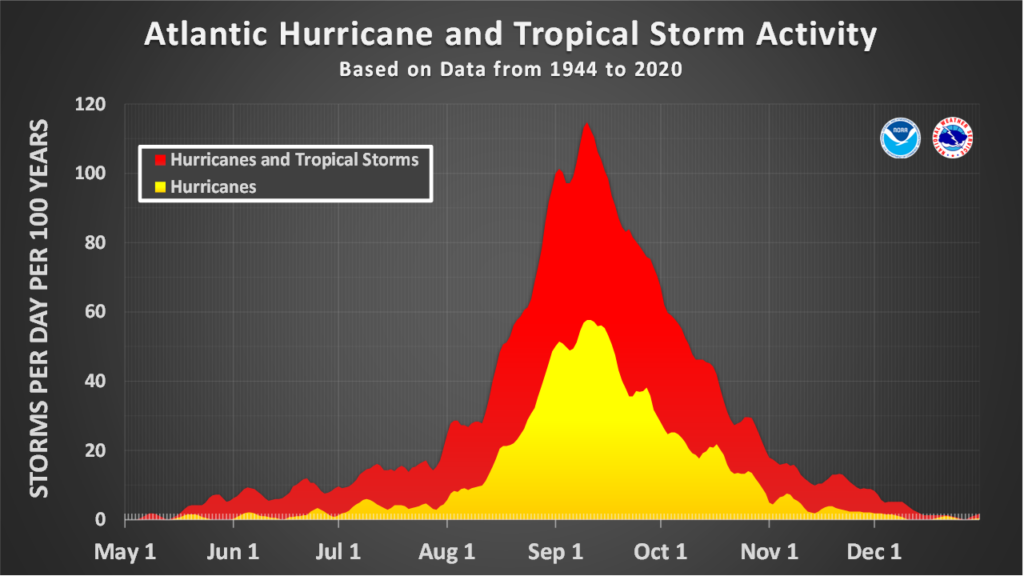
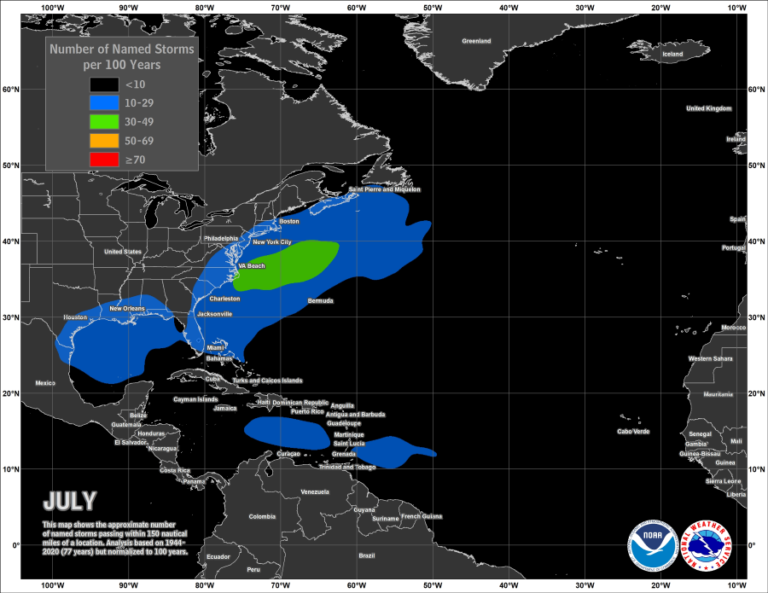
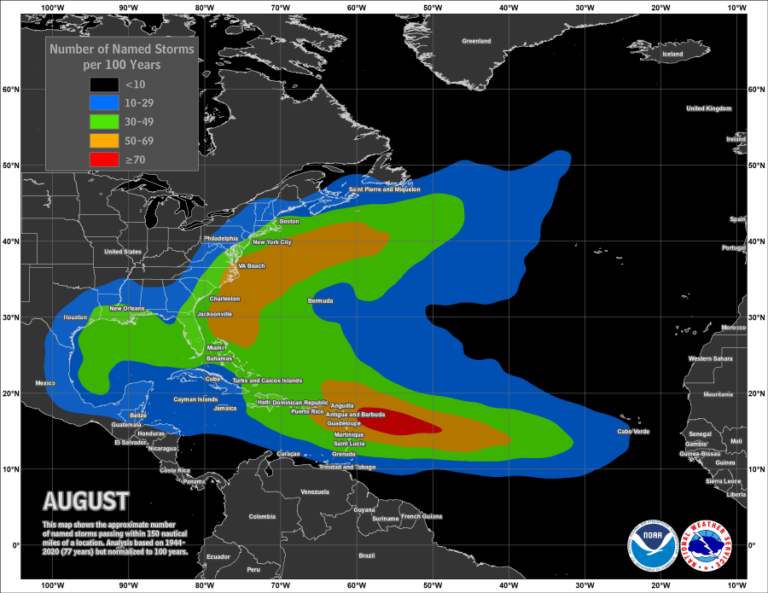
The change is very noticeable. Just look at typical July activity versus August, then September and you can see the activity level changes dramatically.
One thing we have going for us this year is El Niño. During El Niño years, we normally see less activity. The number of storms is usually less in an El Niño year.
Read more Lawsuit claims LaMelo Ball owes more than $181K in unpaid rent in Charlotte
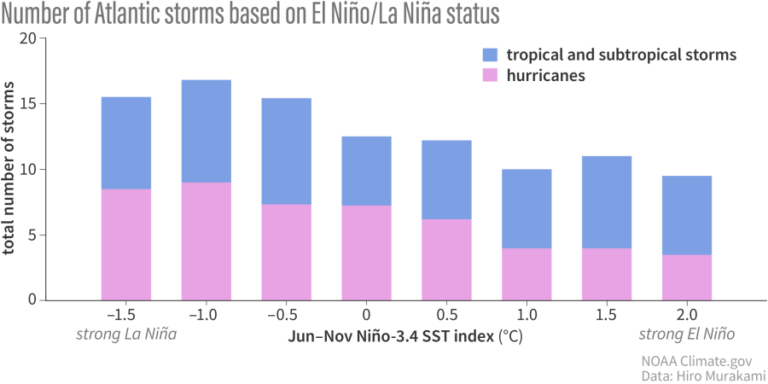
The El Niño years are on the right side and show less activity. During an El Niño year, the water in the central Pacific is warmer than normal and this warms air above the surface, causing the subtropical jet stream to be stronger. This wind moves around the globe and adds wind shear, which weakens tropical systems.
Another interesting element to study is Hurricane Return period.
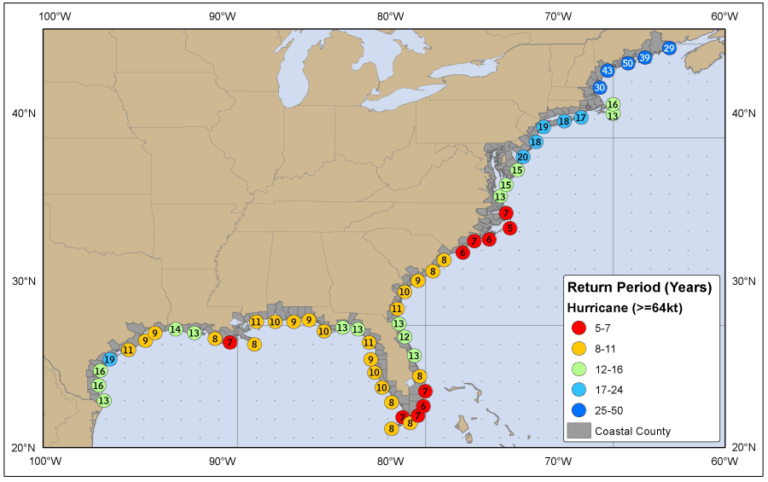
You will notice some areas are more likely than others. It has to do with the shape of the coastline. The Outer Banks of North Carolina has the highest rate of return for a hurricane in the United States. Every 5 years. The Grand Strand (Myrtle Beach area) every 8 years. You may find it interesting that parts of Florida see hurricanes less often than our beaches. Also, notice the northeast United States sees hurricanes much less often as well.
Read more Wildfire destroys about 230 homes in western Canadian Indigenous community, officials say