 By admin
MOUNT PLEASANT, S.C. (WCBD) – Four Republican candidates seeking to succeed the late U.S. Sen. Lindsey Graham largely aligned on many conservative priorities Tuesday night, but offered voters differing visions on federal spending, foreign policy, trade, and the role of government during a statewide televised debate hosted by News 2 and Nexstar stations.
Read more Rep. Chuck Edwards ends re-election bid
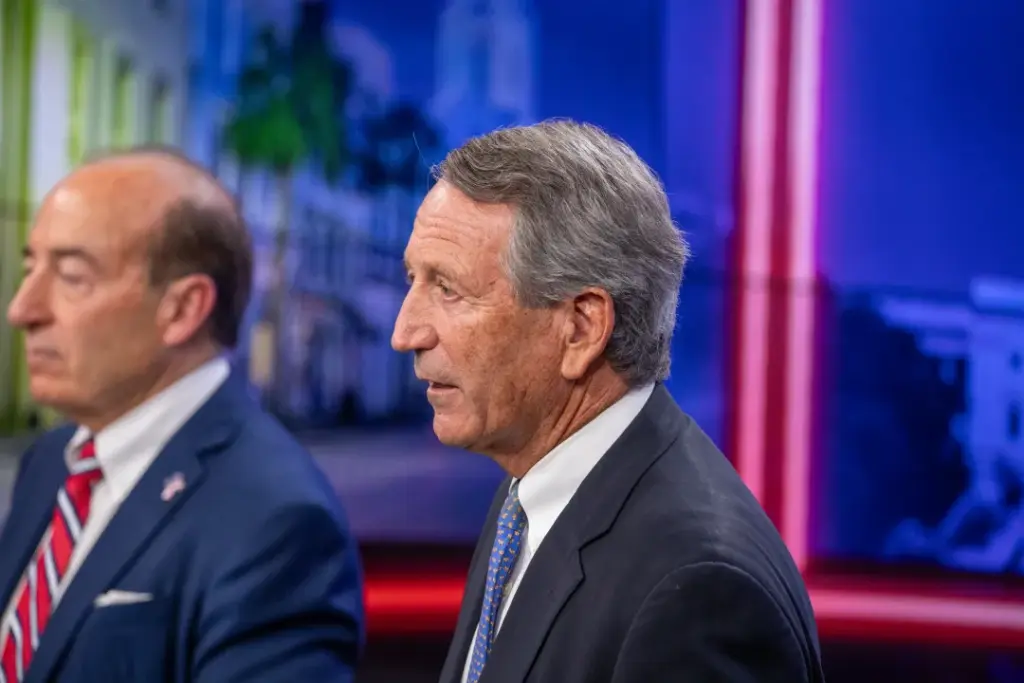
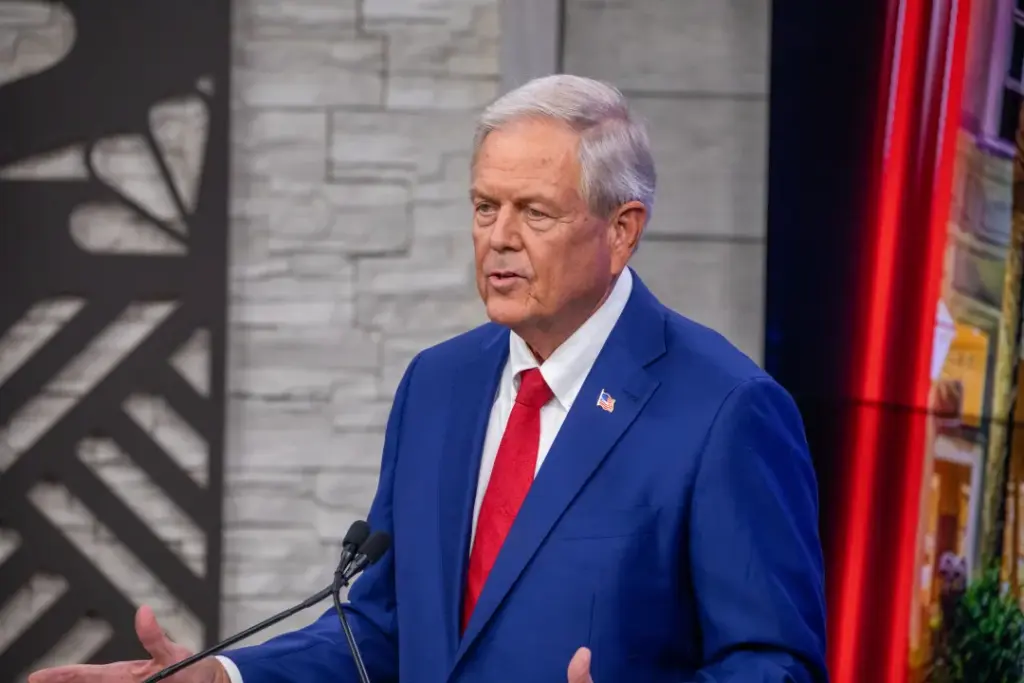
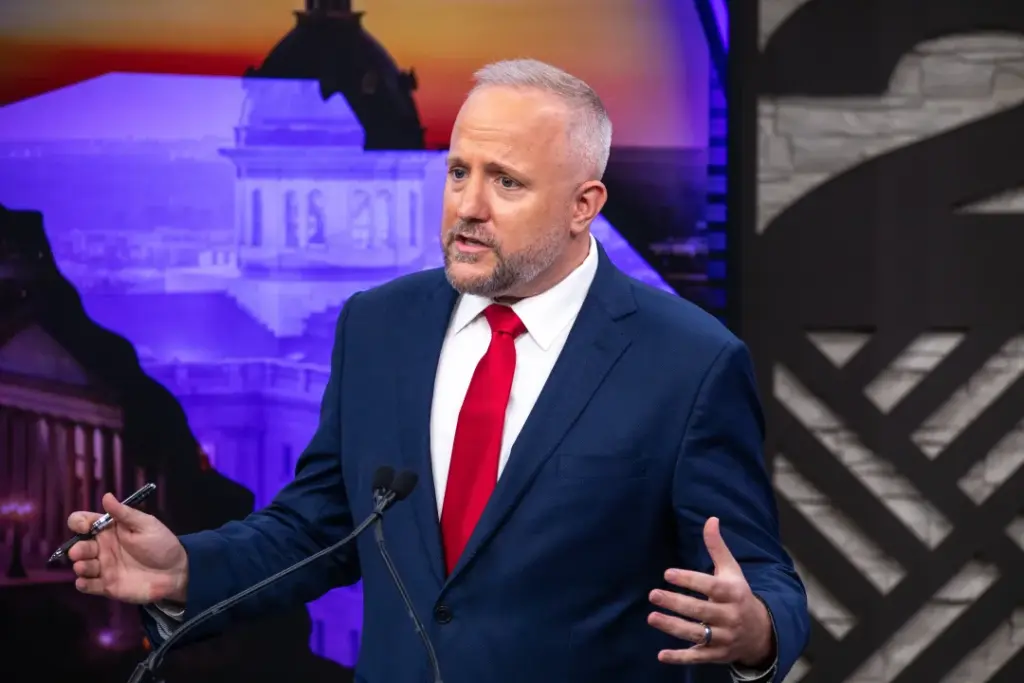
Congressmen Ralph Norman and Russell Fry, former Gov. and Congressman Mark Sanford, and businessman Mark Lynch took the stage in Mount Pleasant just days before voters head to the polls in next week’s special Republican primary.
Interim U.S. Senator Darline Graham was invited to the debate; however, she had Senate business in Washington and could not attend.
Throughout the debate, candidates repeatedly returned to pocketbook concerns facing South Carolinians, including rising costs, the national debt and economic uncertainty.
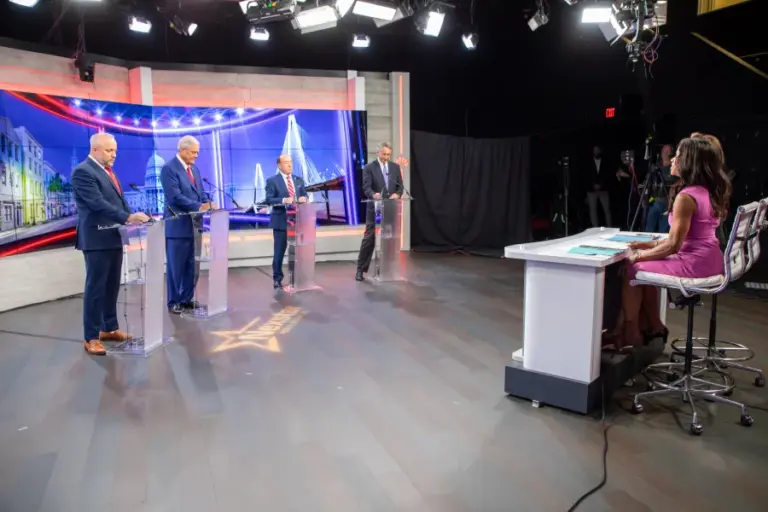
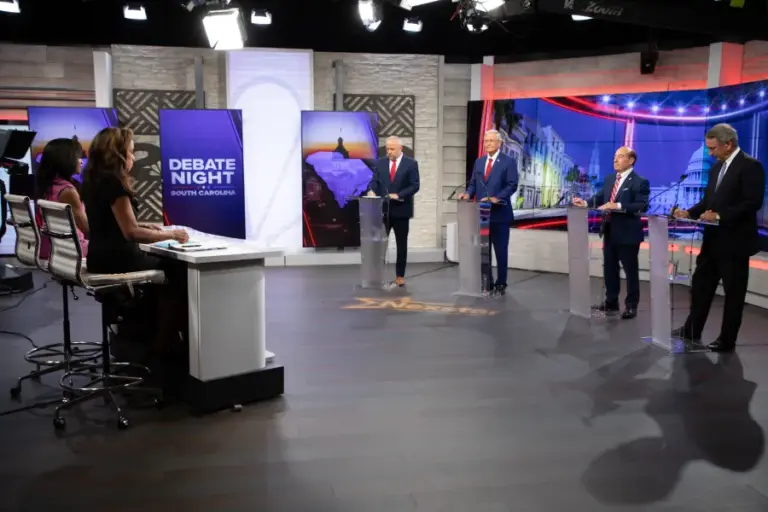
Asked how they would differ from Graham, each candidate stressed a greater focus on domestic issues and fiscal discipline. Norman, Lynch and Sanford criticized Washington’s spending habits and pointed to the nation’s nearly $39 trillion debt as a pressing concern, while Fry argued his priorities would center on issues affecting families at home, including housing costs and inflation.
The economy also fueled discussion over President Donald Trump’s tariff strategy. While all four candidates generally supported efforts to strengthen American manufacturing and improve trade relationships, Sanford offered the most cautionary note, warning South Carolina’s economy could be vulnerable because of its heavy reliance on foreign investment and international trade through facilities such as the South Carolina Port.
On Social Security, candidates agreed the program faces long-term challenges but differed on solutions. Sanford advocated for greater individual ownership through personal retirement-style accounts, while Fry pointed to fraud and mismanagement within the system. Norman and Lynch argued federal spending practices have contributed to the program’s financial strain.
Foreign policy emerged as another key dividing line.
Candidates generally agreed Iran should not obtain a nuclear weapon and voiced opposition to deploying U.S. ground troops. However, Sanford emphasized Congress’ constitutional role in authorizing military action, while Norman and Fry defended Trump’s recent actions targeting Iran’s nuclear program. Lynch argued America should reduce overseas involvement and focus resources on domestic concerns.
Read more Did you know the Outer Banks has the highest rate of return for hurricanes in the United States?
Immigration generated some of the night’s strongest consensus.
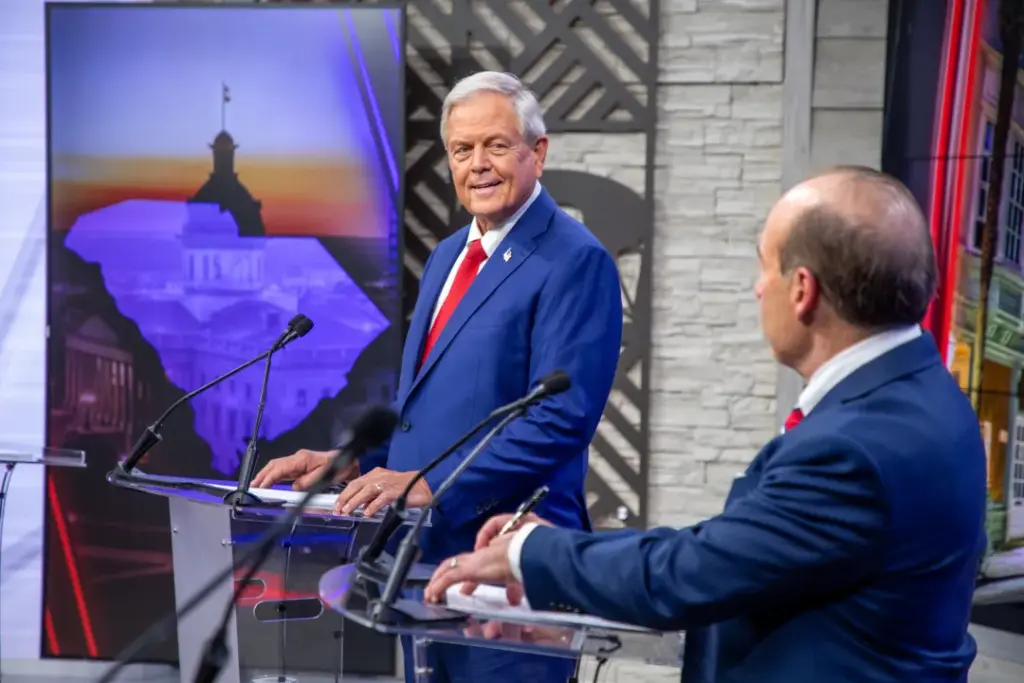
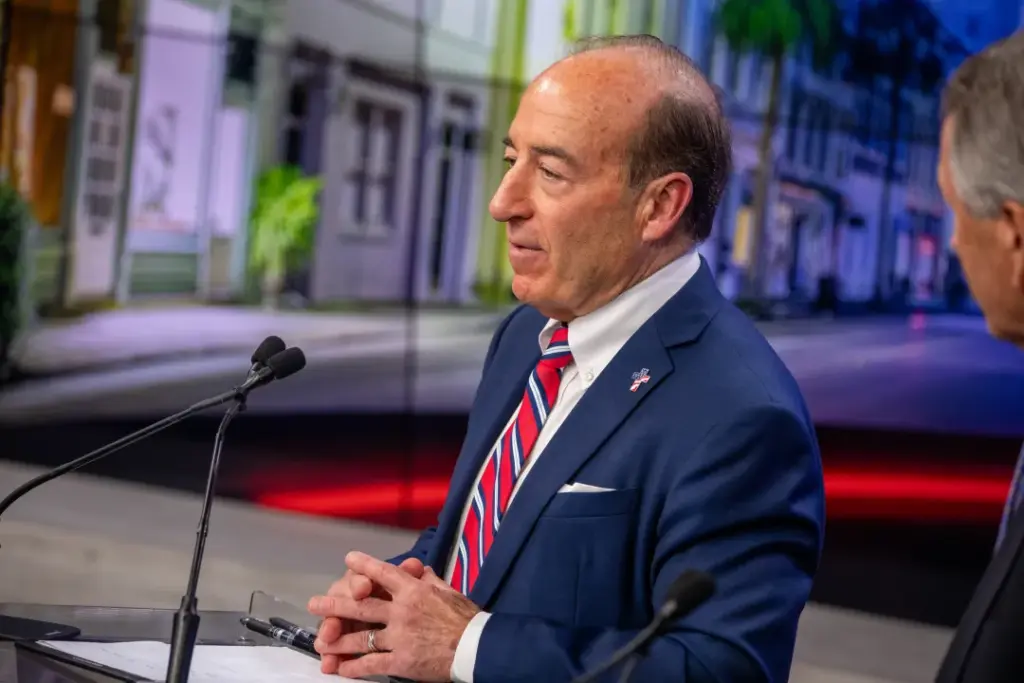
Norman and Fry endorsed mandatory use of the E-Verify employment verification system, saying it would help prevent undocumented immigrants from taking jobs intended for American workers. Sanford also backed the program, noting its origins during his time as governor. Lynch stopped short of fully endorsing a mandate but said employers should prioritize hiring American citizens.
Candidates also shared concerns about foreign ownership of American land and strategic assets. Fry and Norman specifically cited China as a national security threat, while Lynch declared “America is not for sale.” Sanford, while supporting foreign investment generally, argued the nation’s debt dependence on China poses a larger long-term risk.
As technology became part of the discussion, the candidates agreed artificial intelligence should be subject to some form of oversight. Fry, Norman and Sanford each called for guardrails to protect privacy and national security while maintaining U.S. competitiveness against China. Lynch broadened the conversation to privacy concerns involving surveillance technologies and data collection.
Another area of agreement came near the debate’s conclusion when candidates were asked whether they would support the eventual Republican nominee if they did not win the primary. All four pledged to back the GOP nominee in November.
The debate marked one of the final opportunities for Republican voters to compare the candidates side-by-side before voting begins.
Early voting starts Wednesday, Aug. 5, ahead of the Republican special primary scheduled for Aug. 11. The winner will advance to the November special election to fill the Senate seat left vacant following Graham’s death.