 By admin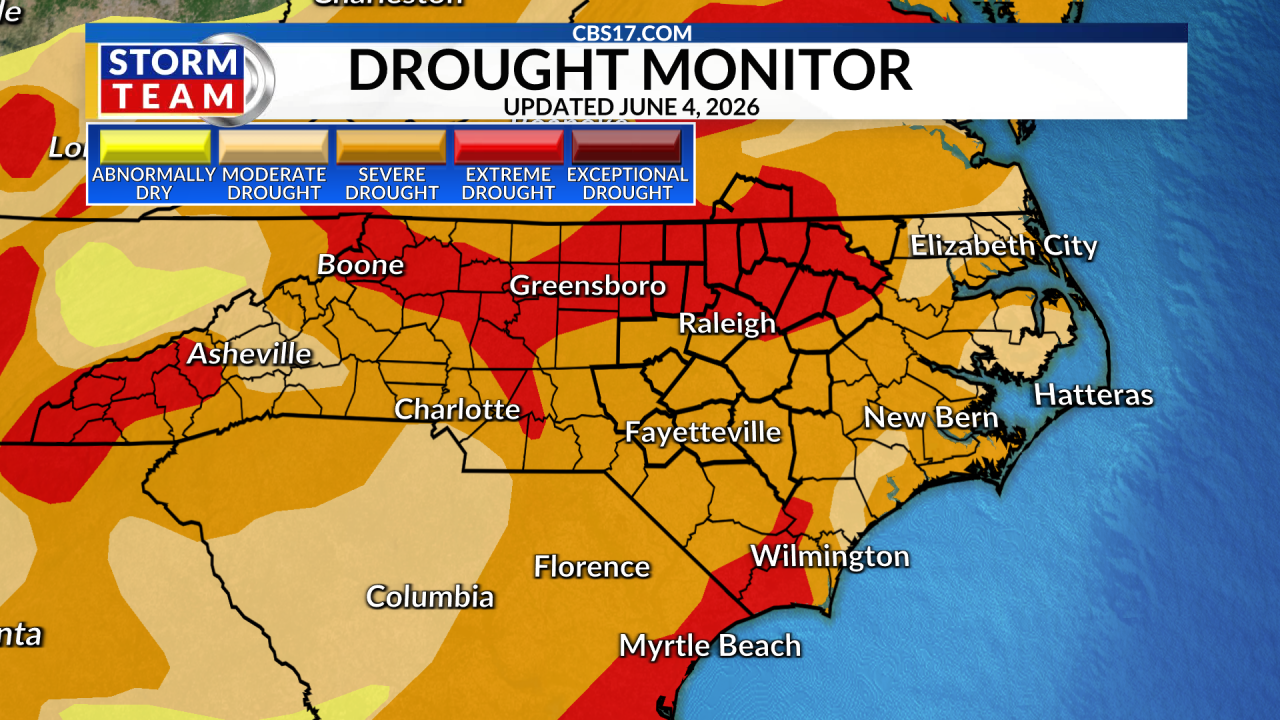
RALEIGH, N.C. (WNCN) — Drought conditions statewide continued to improve slightly over the past week, but much of central North Carolina saw little to no relief, according to new data released on Thursday.
Read more Pentagon defends hiring of convicted Jan. 6 rioter from SC
The latest report shows 31.4% of North Carolina remains under D3 extreme drought conditions, down from 36.6% last week. While that marks another week of statewide improvement, drought conditions across the Triangle and surrounding counties remained largely unchanged.
Wake County saw no change from last week. The latest update shows 55% of the county remains under D3 extreme drought conditions, while the remainder of the county is classified under D2 severe drought.
Several counties in central and northern North Carolina also remain almost entirely covered by extreme drought conditions.
Counties at or near 100% D3 extreme drought include:
- Nash County
- Franklin County
- Person County
- Granville County
- Vance County
- Warren County
Meanwhile, Durham County remains 99.6% under extreme drought conditions, Orange County is 96.9% and Halifax County is 93.6%.
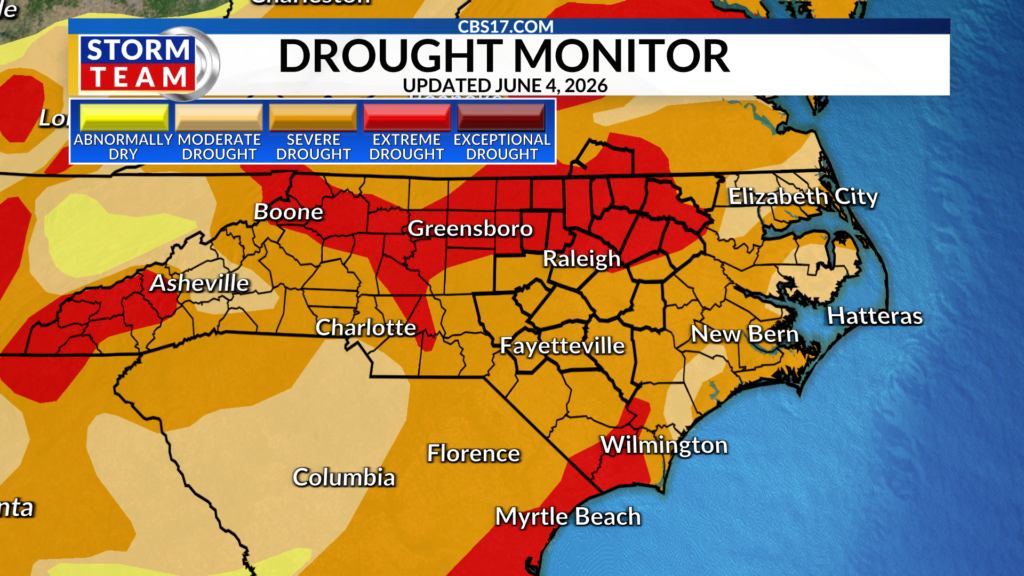
The latest report means nearly all of central North Carolina remains classified under either D2 severe drought or D3 extreme drought status despite scattered rounds of rainfall in recent weeks.
Meteorologists say significantly more rain will be needed before meaningful improvement occurs. Current estimates indicate central North Carolina would need roughly 12 to 14 inches of rainfall within a month to completely eliminate drought conditions.
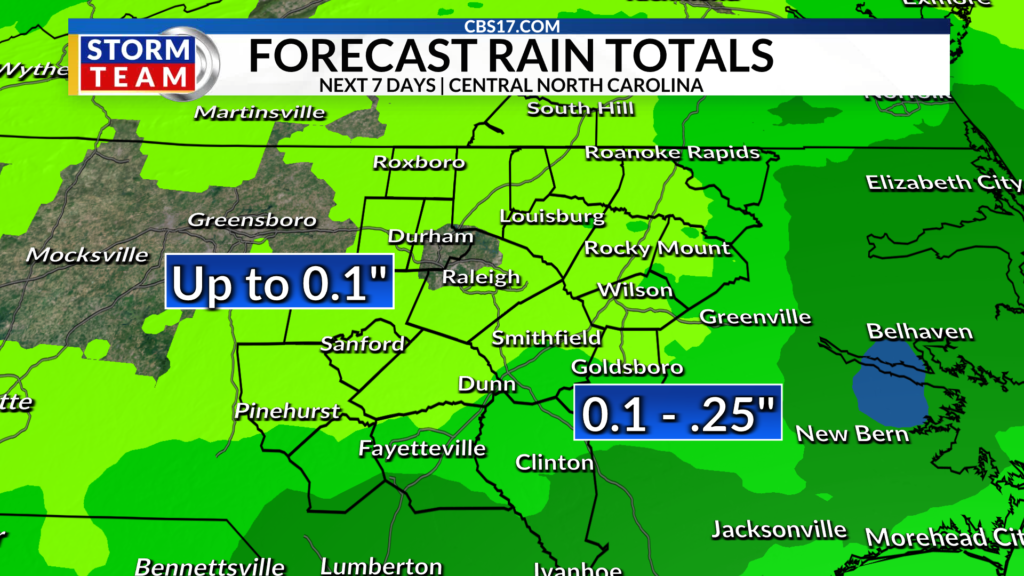
That relief does not appear likely anytime soon. Forecast models show less than a half-inch of rain across much of the region during the next seven days.
The drought continues to impact water supplies across the region. Last week, the U.S. Army Corps of Engineers reported Falls Lake — Raleigh’s primary water supply reservoir — was at 74% capacity, about four feet below normal levels for this time of year.
Officials previously said Falls Lake would need to reach approximately 95% capacity during the spring months before water-use restrictions could be rolled back.
Read more NTSB: Teen SUV driver had THC in system before Charlotte crash that killed family of 5